
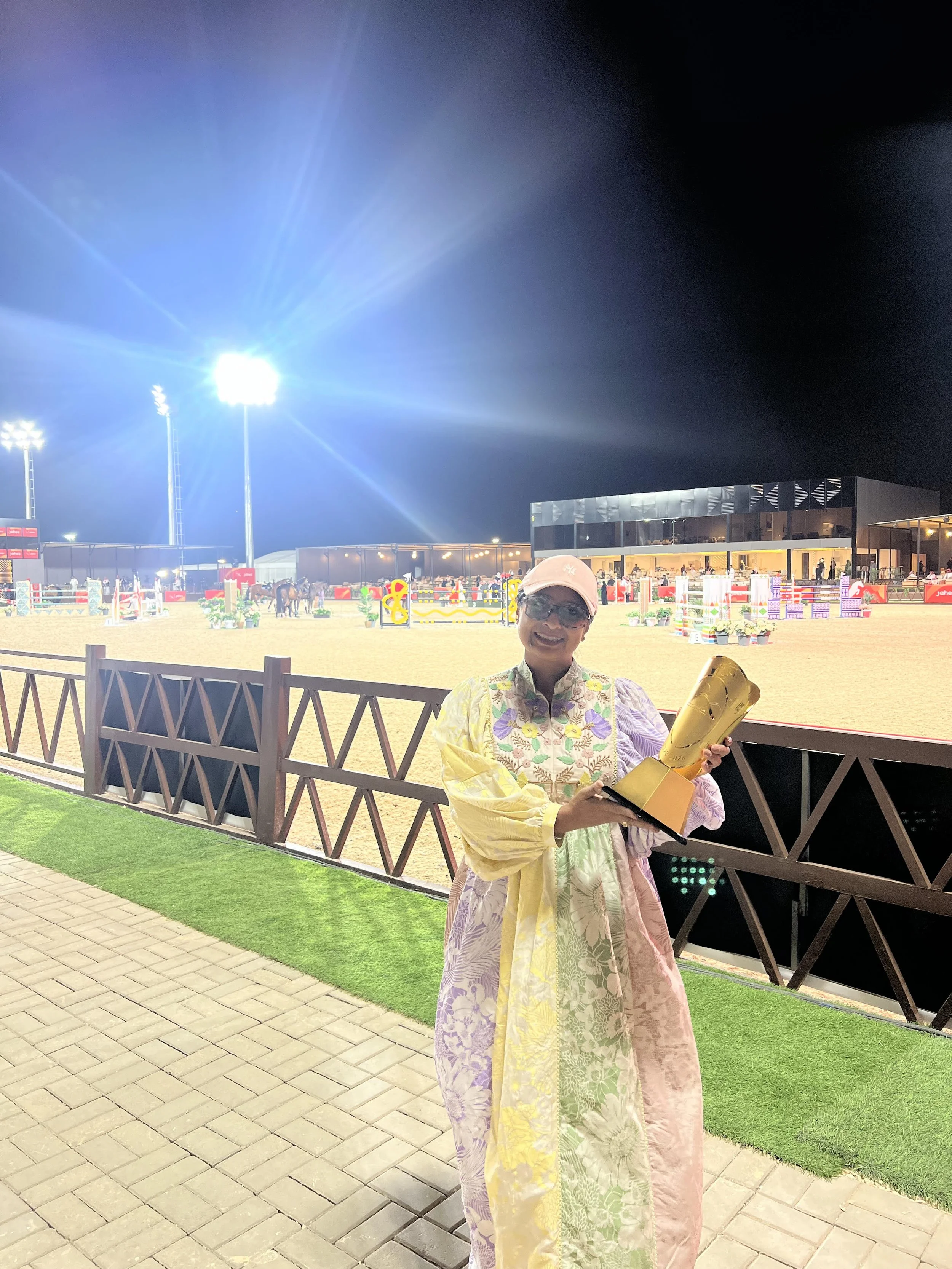
SAUDI ARABIA Identity
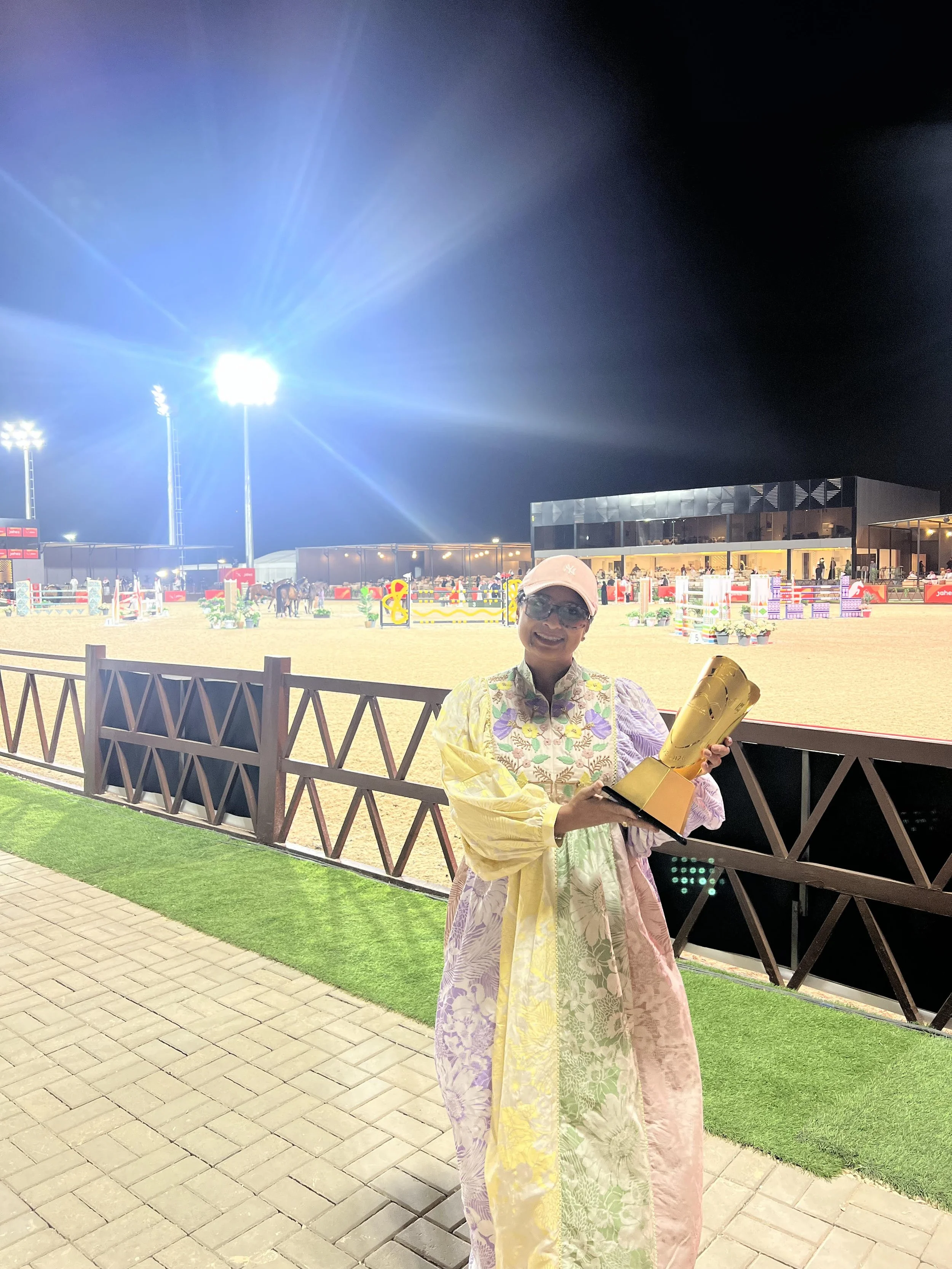
The holiest city in the world for Muslims is Makkah or as the west term it as Mecca.
I had visited KSA, UAE, Bahrain and Oman already for art, fashion and culture.
Under the progressive leadership of 40year old Mohammed bin Salman Al Saud, the de facto ruler of Saudi Arabia, Saudi Arabia had opened up as a centre of culture to international visitors from around 2019 as part of ‘Vision 2030’. Notably women could now drive in Saudi Arabia which I was determined to. “Historically, the most celebrated moments in Saudi have been traditional events, like Eid-al-Fitr, Eid-al-Adha, and Saudi National Day. However, new peak moments are emerging in Saudi throughout the year including “Saudi Founding Day”, “Riyadh Season” — a three-month long annual entertainment and sports festival — and Halloween have all grown”. Equestrian and particularly Football is a big deal in Saudi with its most famous captain being Ronaldo. Oil rich Saudi is also digitally literate meaning many new products and services are being developed in the region and they fund innovation.
Though its main visitors were still for religious reasons.
It was twice in a lifetime for muslims as obligatory if you have the means to visit is the pilgrimage Hajj. Umra is additional - Hajj lite and not a substitute. Both need spiritual prep. In fact all Muslims pray towards the Mosque Masjid-al-Haram where the Kabah sat. The big black cube stone always shown in the media in the centre of millions of people. Apparently when my parents took me when I was a toddler in the mid 1970s I argued with my dad that the Kabah was too small for Allah to reside in. My dad told me this story with such a big smile so many times.
During Ramadan as it was for us, all routes to the Kingdom of Saudi Arabia were particularly busy with the international Muslim community. On the plane to Jeddah via Istanbul (chatting to someone from the UK) a taxi driver dressed in normal clothes like the whole plane until we changed at Istanbul airport SAW. There after him with 90% of the passengers men and women from Istanbul to Jeddah were naked but dressed in white robes. This tradition is to humble everyone as equal.
And as we got closer to Jeddah, the full cabin filled up with melodic prayer chanting from the white robed smiling army. I looked out of the window past Persia and we could see the shimmering lights of Makkah. The excitement was palpable. It was quite magical.
We reached Jeddah in the middle of the night, it was all a bit daunting. I knew KSA was safe and we were heavily monitored. There was a raised stone platform where a café with internet sat. with some women nearby. It took a good 30 minutes for the uber taxi to appear. We had some fun and games with the taxi driver who initially couldn’t find our 5 star hotel as the name had changed, in the Red Sea Mall.
It was a modern hotel with a swimming pool. We felt a little self conscious to go swimming though we did see some kids swim in the pool while their parents sipped juices. I did use the womens gym there every morning and I was fasting. Persia joined in in the fasting. I had purposely situated us in the mall so we could easily get food and also clothes or anything we felt like. We did go to the mall a lot. And we did eat in the mall as well as the buffet dinner at the hotel which was amazing. It was nice to break fast with a group as well. My favourite dish was pistachio coated lamb chops. Absolutely perfectly cooked in the hotel.
During Ramadan it’s like being in a different time zone. Things get lively in the evening during dusk and dawn.
I thought that going to Makkah would be only for pilgrims but there were cultural tours available for all Muslims. It was easy enough, we got a comfort uber from Jeddah to Mecca (101.6km / approx 1hr / 242 SAR / £50) which took us from a pick up point in a hotel in Mecca. Well I say easy, Persia had a set of hello kitty lip glosses in a little bag her dad had given her and she left one in the uber taxi which upset her a lot. After a lot of disruption and losses in her life over the last 12 months particularly the last few years she got really upset when she lost anything else. I had found this with grief and divorce. And she missed her dad a lot especially as we travelled together – our first family holiday was to France when she was just 3 months old and then another trip to Europe Spain Portugal before we starting long hauls with her – Julian and I and Persia travelling as a family of 3 to Japan at age 6months.
Before she was born everyone had said that travel was a nightmare with kids, so we and so we carried on and we had visited around 60 countries already by age 11. And most of those with us a family of 3.
But since 2022 – I had now travelled solo a few times and / or with Persia. I had taken her to LA/San Francisco and also Kenya. This was certainly the most adventurous coming to Saudi Arabia.
I was keen to share the Makkah adventure with Persia to open her mind and also have an insight of her heritage from my side. All the same it was a new life experience for both of us. I felt very honoured we could do this. I’ve been thinking about Islam, particularly since Mum died in 2019 and then again when Dad died in 2023. I saw solace in spirituality and religion and I was just curious.
Makkah felt quite mysterious because I had never met anyone before who had been there just for a cultural visit. And those in the community who had been there for Hajj or Umra (pilgrimage light) didn’t really talk about it in detail other than the sense of fulfilment it gave them as a requirement for a Muslim, that it was arduous and they had picked up colds. In fact they were among around 3 million pilgrims (who visit in the last month of the Muslim calendar) following in the footsteps of the Prophet Muhammed (pbuh) completed his first and only Hajj in AD 628.
And there is a period of preparation and serious conviction and intent of the pilgrimage.
To put in context what Hajj is about … It relates to Abraham, the prophet from the Old Testament. To those who are new to this, Abraham is important for Jews, Christians and Muslims and that’s why they are called Abrahamic religions and these religions all sprung out of the middle east.
So Hajj is a series of rituals which happen in the city of Mecca and different landmarks have different significance.
The main landmarks are
- The Kabbah
- The 2 great mosques including the Grand Mosque Masjid al-Haram
- The well Zamzam
- Mount Arafat
- Jabal Thawr
- Jabal al-Nour
Our Pakistani guide recounted the traditions and the stories which connected to the actual places we were. Imagine all mentioned in the Koran and throughout religious history. It was breathtaking.
Persia was curious and getting a Religious Education in situ. She has also visited the Vatican but yet to visit Bethlehem as I am.
“Hajj itself centres around the tests of Abraham (Ibrahim)
- Rites 1 : Abraham is ordered to abandon his wife (Hagar/ Hajira) and son (Ishmael); Hajira desperately runs and up down the hills Safa and Marwa looking for provisions and asking God for help, and when she returns to her baby son, he is scratching the ground with this feet, and beneath him is a bubbling freshwater well (thought to be the well Zamzam) which saves them both.
o Hajj pilgrims renacts this search of the hills.
o Hajj pilgrims drink water from the well Zamzam
- Rites 2 : Abraham is ordered to sacrifice his son and on his way, the devil tempts him to dissuade him, before Abraham is about to proceed with the sacrifice and his son is replaced by a ram by God.
o Hajj Pilgrims throw stones at these ‘temptations’ symbolically marked by Jamarat (2 pillars in the desert just outside of Mecca).
o Muslims around the globe (not just the pilgrims at Mecca) sacrifice an animal at Eid-al-Adha on 10th of Dhu al-Hijjah.
- Rites 3 : Abraham and his son Ishmael, at the station of Abraham ( ) rebuild the Kabaah 4000 years ago.
o Hajj Pilgrims connect with this by praying behind the Kabaah after circling it 7 times (tawaf).”
To accommodate this practice of approximately 3 million pilgrims from all around the world during this short period of time mostly through Jeddah and Medinah, the Saudi government give out specific visas and you have to pay approximately $10k for the hajj visa and stay on site in tents and hotels. There is a festival atmosphere with tents and everyone robed in white togas with a strong focus.
Taif
Our guide asked us if we optionally wanted to go to the renowned city of nearby Taif in the Shafa mountains. We had to pay extra directly to him. It was approximately an extra £80. I figured we had come all this way, so why not. I said that I would love to.
Taif is mentioned in the Qu’ran and Prophet Mohammed visited there and of course I was keen to check out a new place.
And then I pretty much fell asleep and awoke surrounded by mountains at a petrol station where we would change vehicles.
The petrol station was surrounded by a variety of shops including this quirky café. I was fasting but I liked checking local shops so had a little look around including the local supermarket.
We drove up the mountain ranges past spectacular views including a troop of baboons (do not open your windows to them – they are wild and hungry).
On the search of a perfume making factory, we stopped off at an pretty old village with rickety farmhouses, windy streets and vegetable patches.
Our guide mentioned that he wanted to stop off at Taif and pray and I was welcome to join him. I felt embarrassed that I did not feel confident to pray so I replied I was happy to go and visit any landmarks would rather prepare before praying so I want to do it next time I am back.
He said that the Masjid Abdullah Ibn Abbas was built by the grave of a great Islamic scholar, cousin of Prophet Mohammed (PBUH) called Abdullah Ibn Abbas. He was known for knowledge and expertise in Tafsir (exegesis of the Quran) and an authority on the Islamic Sunnah, the practice of the Prophet.
Persia stayed in the car and I hurried along side our guide. I mentioned that I didn’t know how to pray. He said ‘I don’t understand what you are saying – to me’. I repeated myself and he repeated that he didn’t understand.
I figured I could just watch and see what happens.
It was a significant mosque in the Makkah region, it was Ramadan, … our guide disappeared into the hustle bustle of a large crowd for Friday Jummah prayers. The imam was singing the prayers over the loud speaker so you could hear his voice.
I tentatively walked into the women’s entrance. It led to a big bright courtyard. On one side there was a place for shoes with a shaded doorway into the prayer room.
I took off my boots and stepped inside.
There with children praying, playing, sleeping and weaving in and out of the rows of women focussed on their prayers. It felt peaceful but casual. I found a place to stand. I certainly did not feel at all prepared but felt very accepted.
Initially I just took photos and a 360 video. I didn’t want to impose. And then I found myself following the prayer rituals with everyone else. I felt very at peace and that I had really achieved something on the trip. I mean it was certainly not what I had set out to do but what an amazing opportunity and honour to have followed prayers with locals in this mosque on a Friday during Ramadan. It was of course a highly spiritual experience, and I felt very supported by the ladies and children and men throughout. I was clearly someone who does not know to pray but I just followed the others.
Afterwards I stepped out with the crowds as a confluence onto the road of parked cars and traffic for such a small road. Persia had been chilling out. It felt safe, there is little crime in KSA. We were tourists and were being scrutinized which felt like a good thing.
So did I become a more devout Muslim ? I am not sure but it did deepen my understanding of myself and where I fit in, in the religious context. I am still a liberal and mix with all religions and they are part of me as I try and find common ground with people from all places. We then drove around Mecca, taking photos of the different sites. There was a lot of construction in the area to accommodate more pilgrims and there were miles and miles of tents and hotels fenced of facing the mosque and the Kaabah. It was breath taking to see such a congregation at any one point.
We also stopped at a tiny little holy house where the Prophet peace be upon him would go to.
Back in Jeddah we went for a leisurely stroll along the immaculate corniche. No doubt I will back to try some snorkelling along the coast.
Update
New rules have been implemented so you can only visit Makkah during Hajj if you have a specific Hajj visa not just a normal tourist visa.

BULGARIA Identity
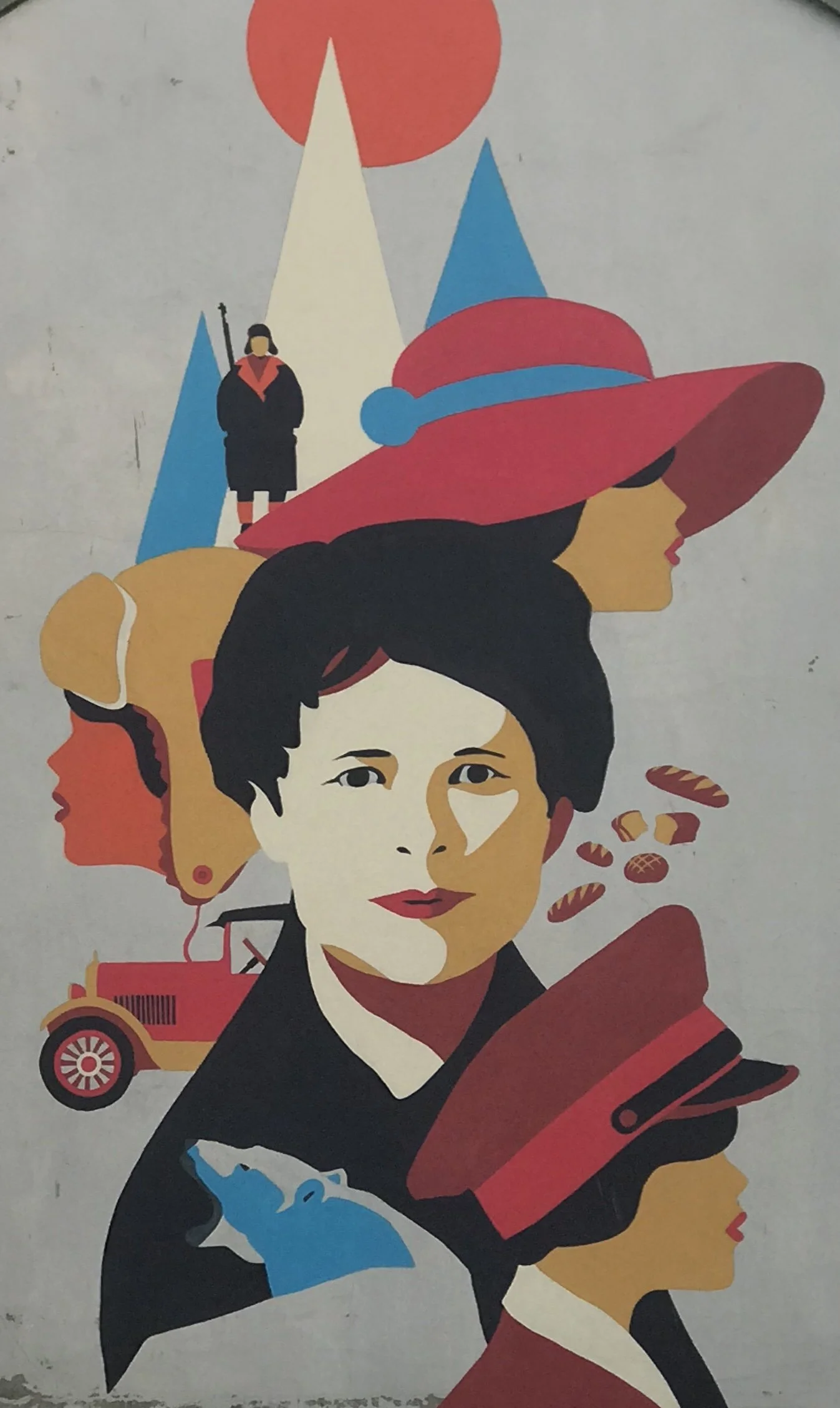
Bulgaria’s architecture and urban art and monuments are a mixture of bold communism, shabby decommissioned Bourgeoisie, marked influences of Roman, Persian, Ottoman influences. And the emotive graffiti vibrant and established. Here are a selection from Sofia; and Plovdiv – which is known as the city of artists and the oldest city in Europe (8000 BCE).
Plovdiv library has a great example of Socilist art (Sots) with cladding made of Vratza stone, marble and granite prominent Bulgarian sculptor Stoyo Todorov (1919–1997).
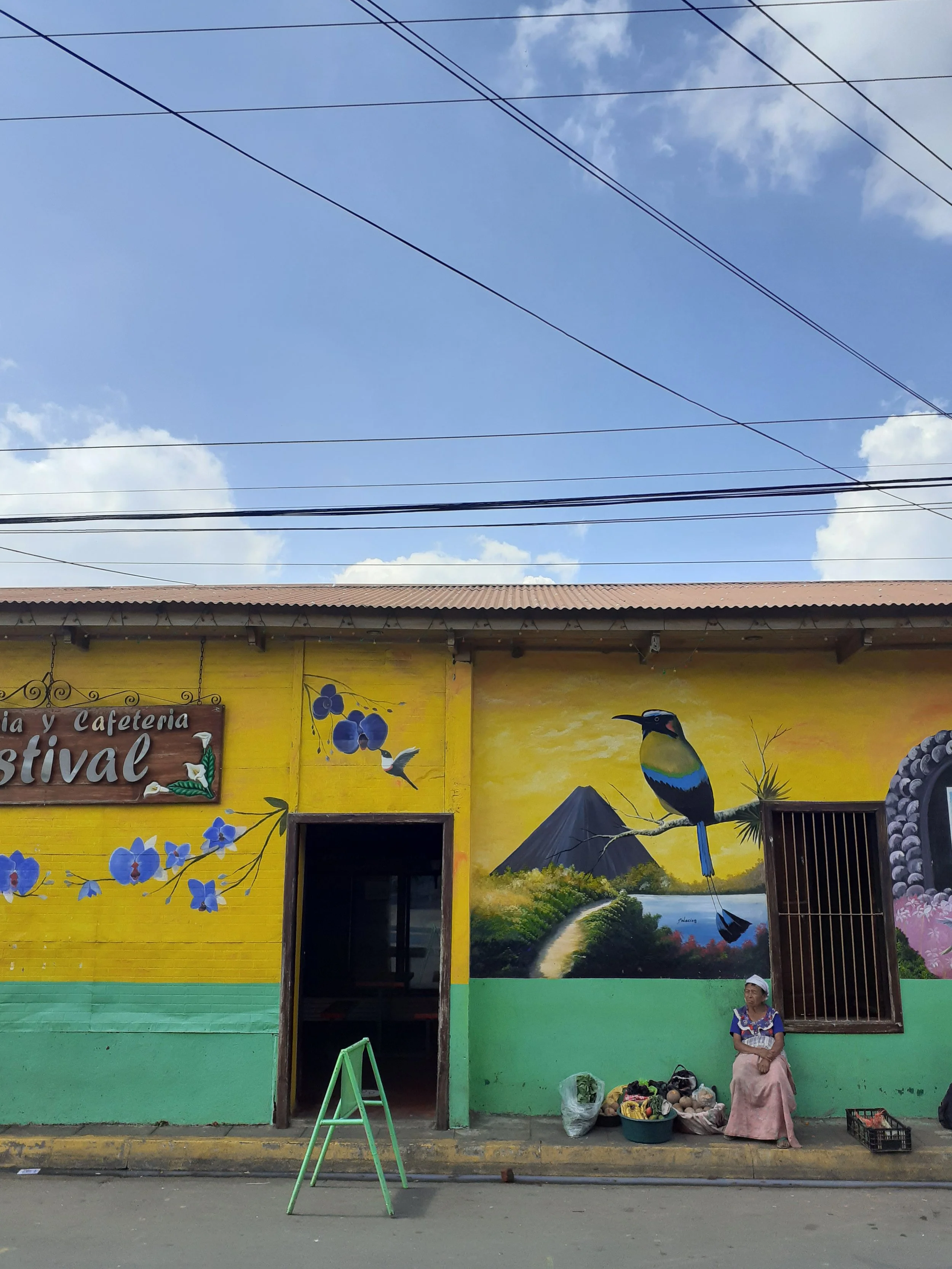
EL SALVADOR Identity
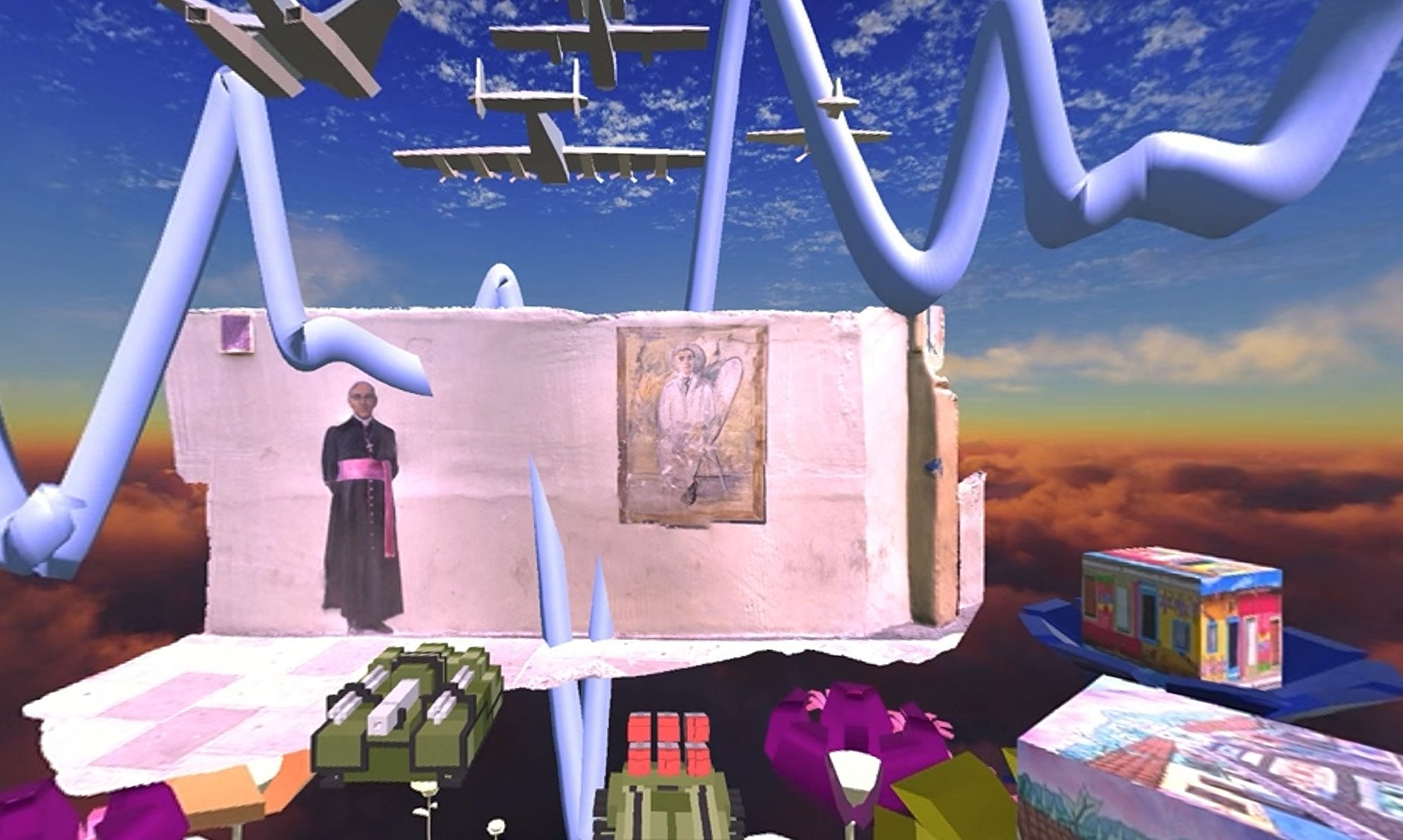
Flying into San Salvador from London was arduous – 9 hours to my beloved Miami 6 hour stop over and then another 3 hours. We felt quite fragile getting off the plane and were conscious to have our wits about us in case of loss or theft. The airport was small with a little park straight outside flanked by a huge tree. We had to walk past cultural shows with young ladies in bright big hooped flouncy traditional dresses promoting mobile phone companies.
Picking up the rental car was as easy as anywhere else in the world – took ages. Not one car company in the world we have rented from in over 20yrs of travel, has it not taken forever. You can usually tell the state of country by the rental car they provide. Ours was a sparkling white Toyota, no scratches and pristine inside. Air con working. Radio working. We switched onto a random radio station, also a nice way to get the local vibe … ‘Take me down to paradise city…’ in folk style. Saccharine covers of classic hard rock. Sentimental coffee shop music. It was everywhere throughout our trip.
And may be that is a good metaphor for the place. It was very relaxed. Local people we met and interacted with were so gentle and quiet. A sort of flower petal softness despite a difficult history. Apologies if that sounds a bit colonial.
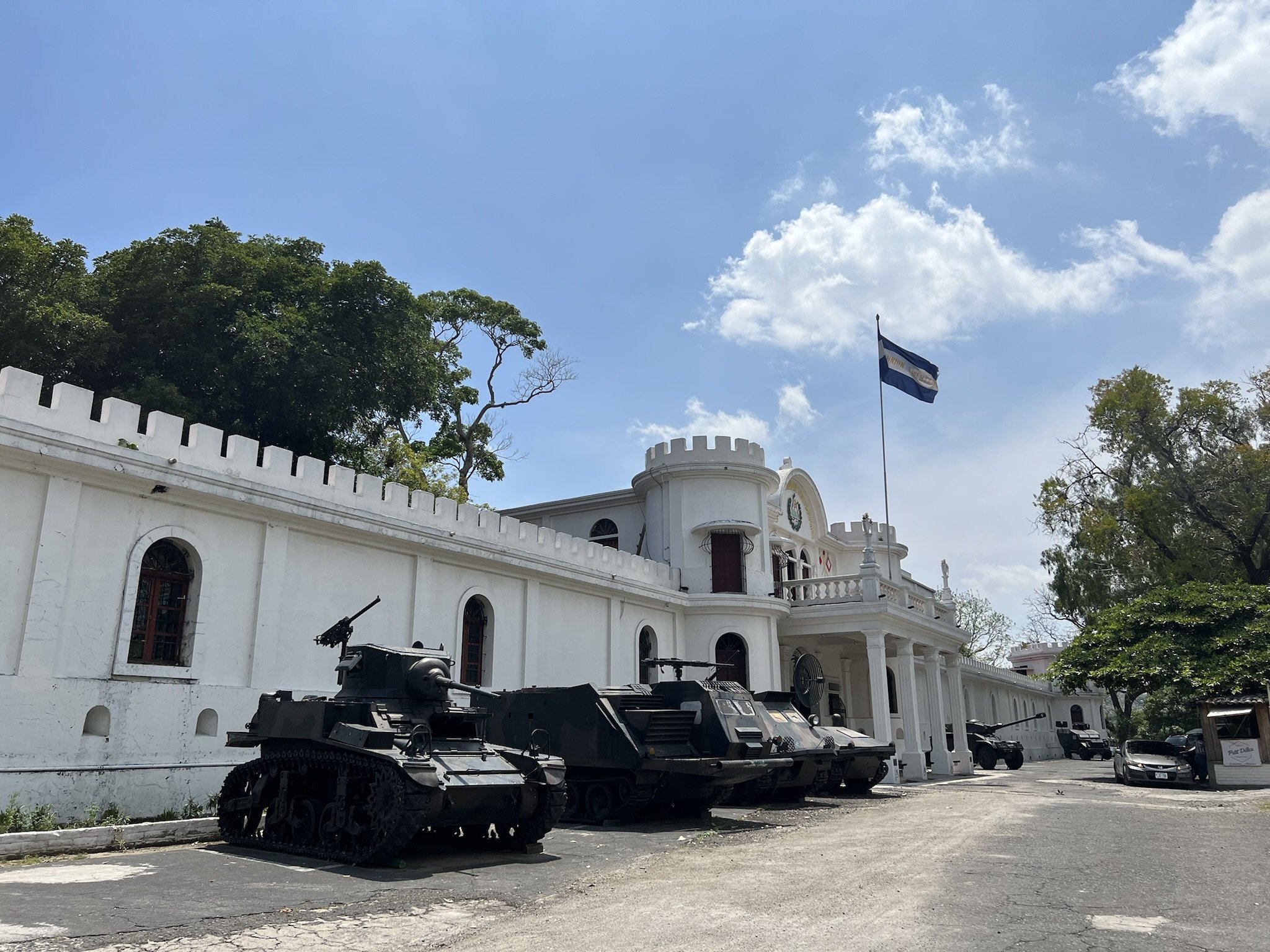
As soon as we drove out of the airport (on good roads), there was a wild exoticness, luscious palms and bright bougainvillea, and clear blue skies not yet lost to pollution from over development. We stayed a few days in San Salvador and checked out both the military museum and also the Museum of Contemporary Art. The military museum was full of random assorted tanks and planes from different eras in huge colonial buildings.
And the Art museum was small but had a lot of interesting work from traditional paintings to interesting sculptures and an exhibition of local young artists. There was some VR actually !
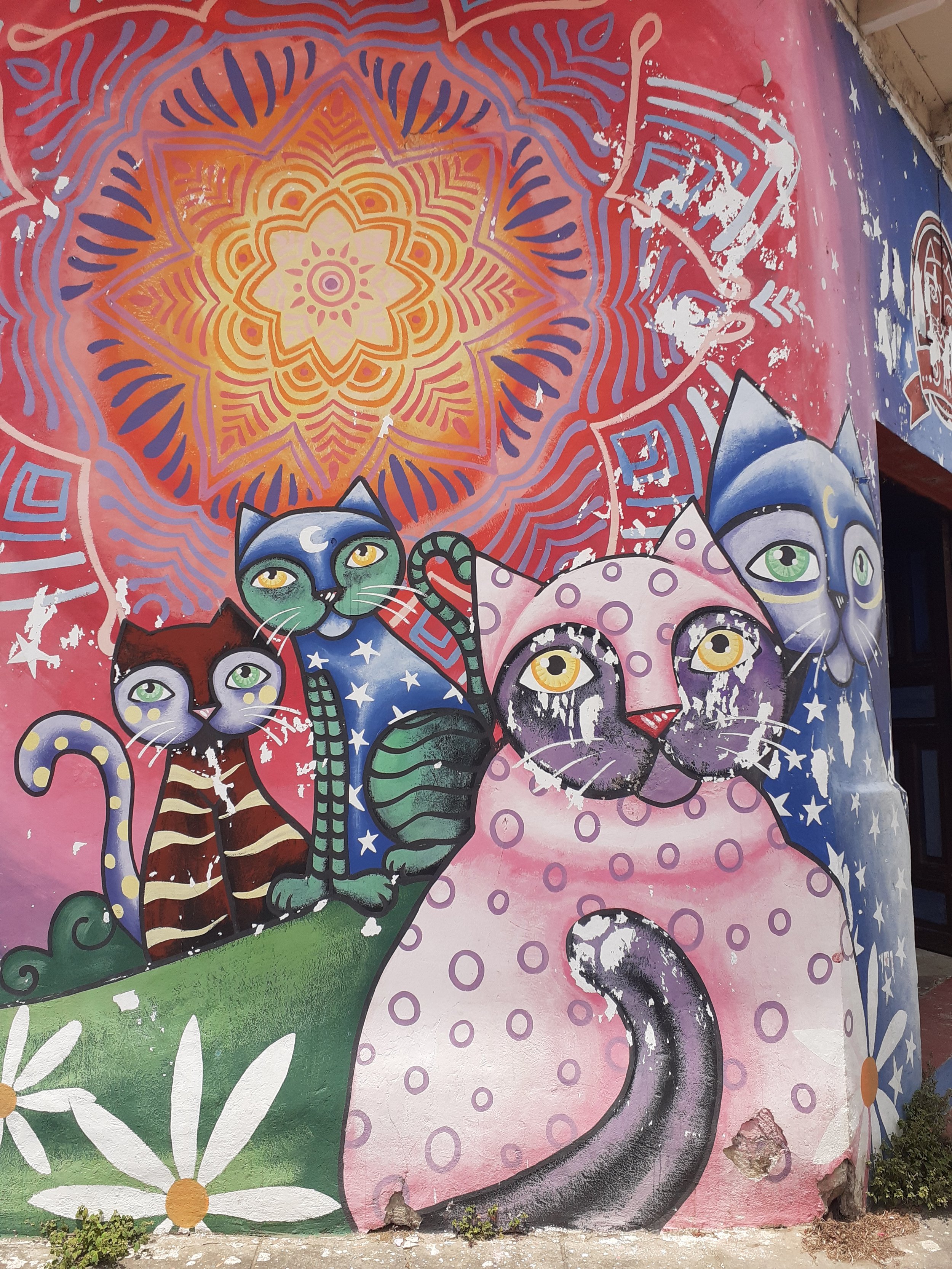
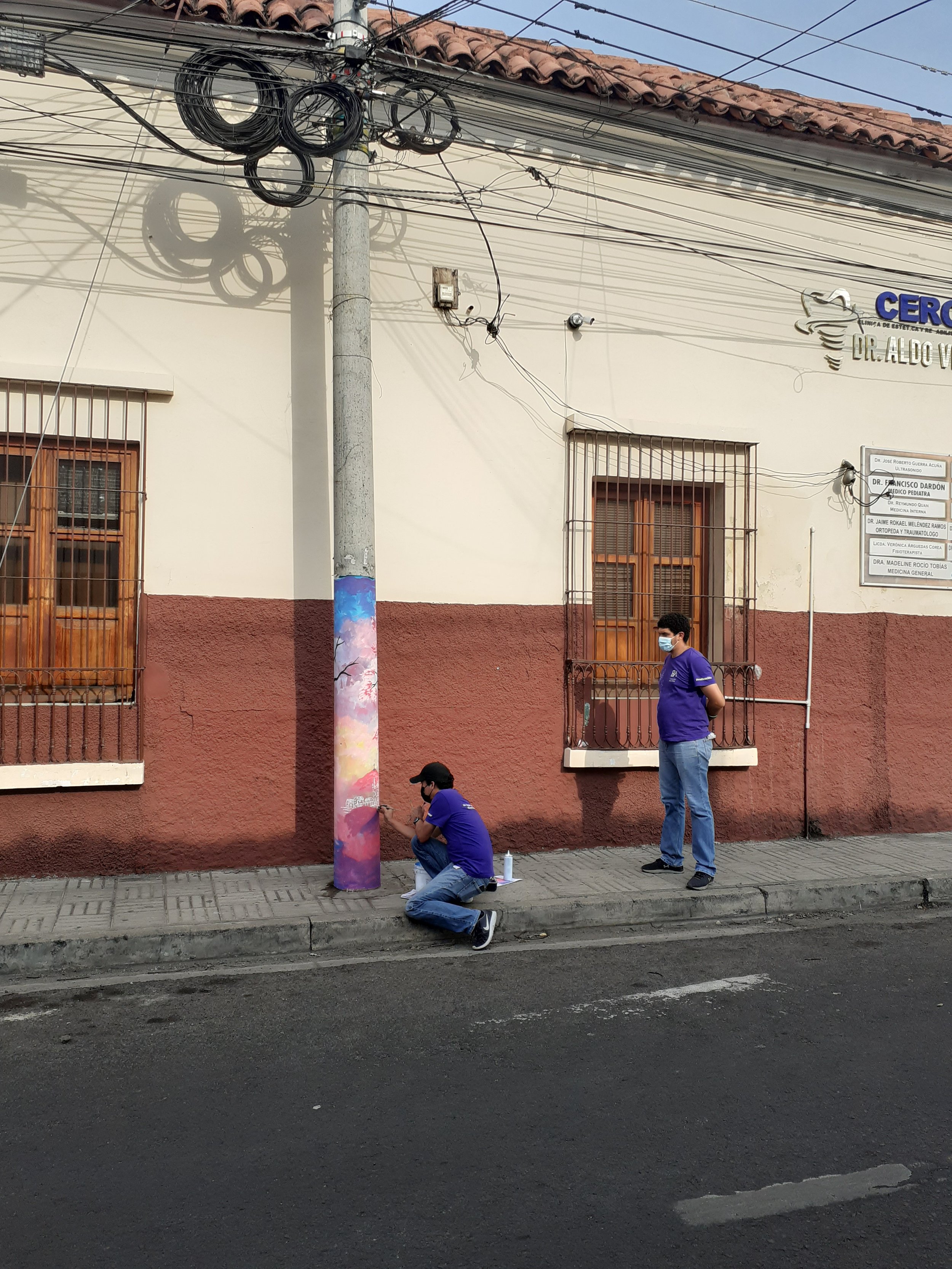
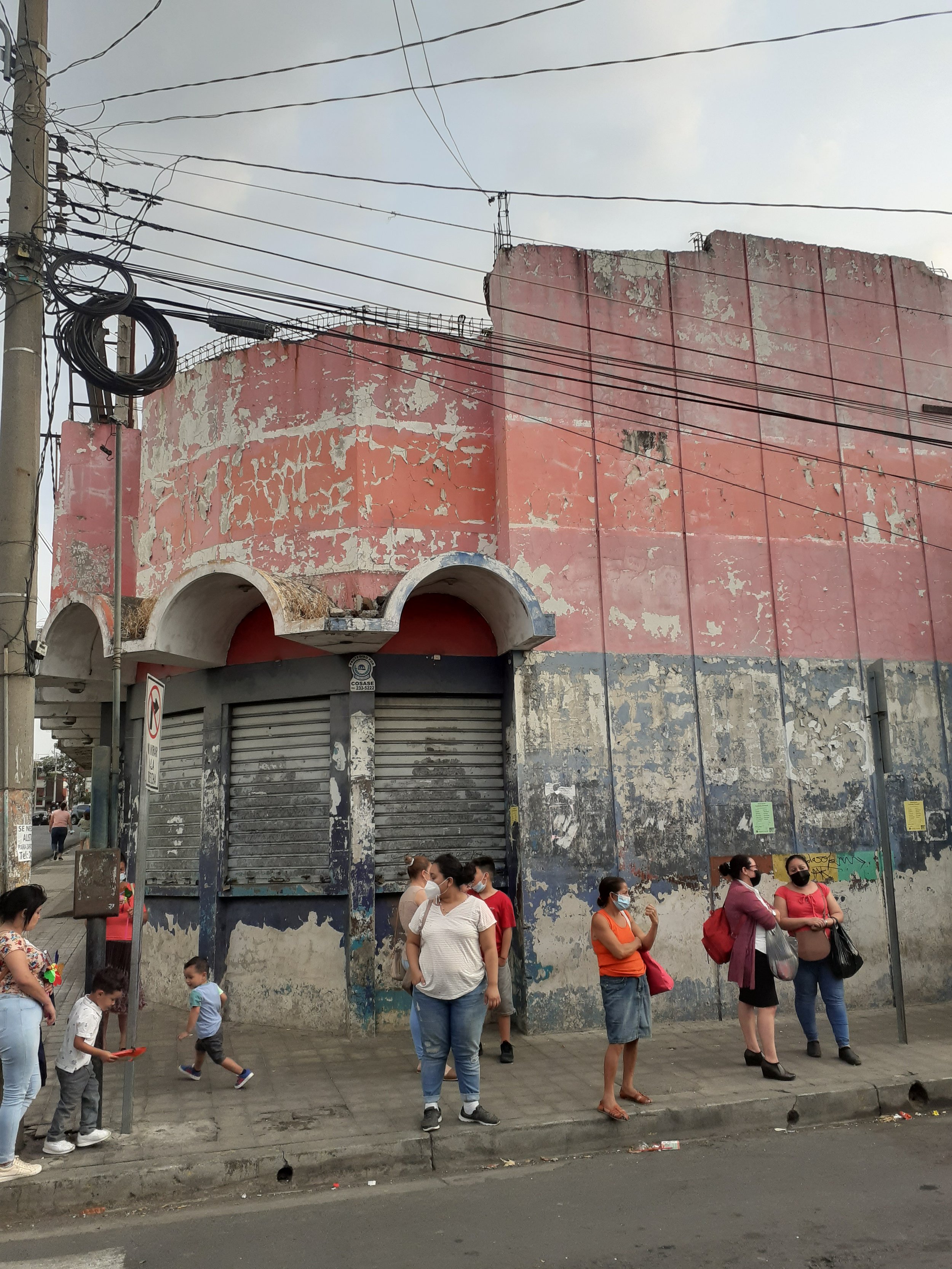
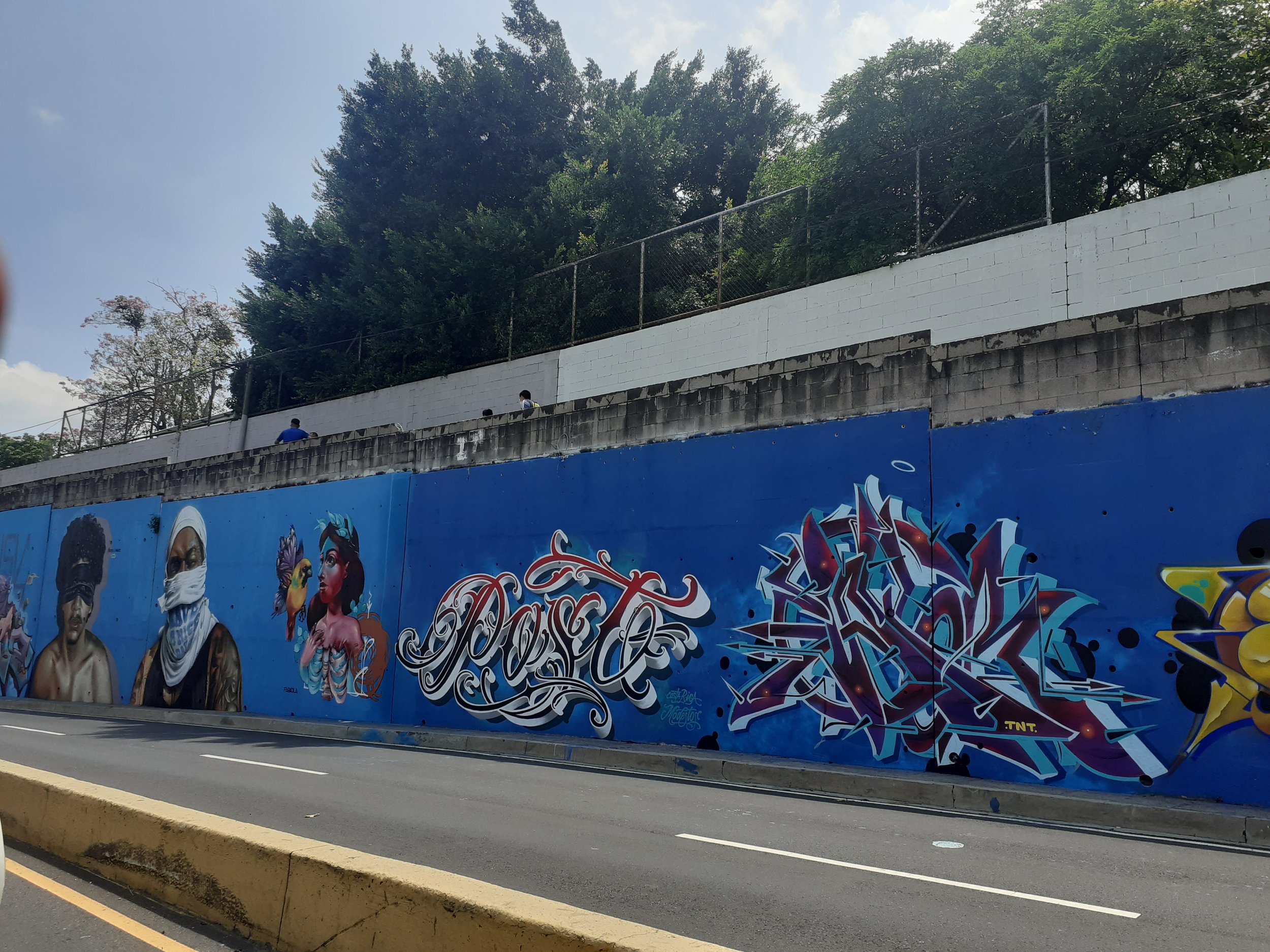
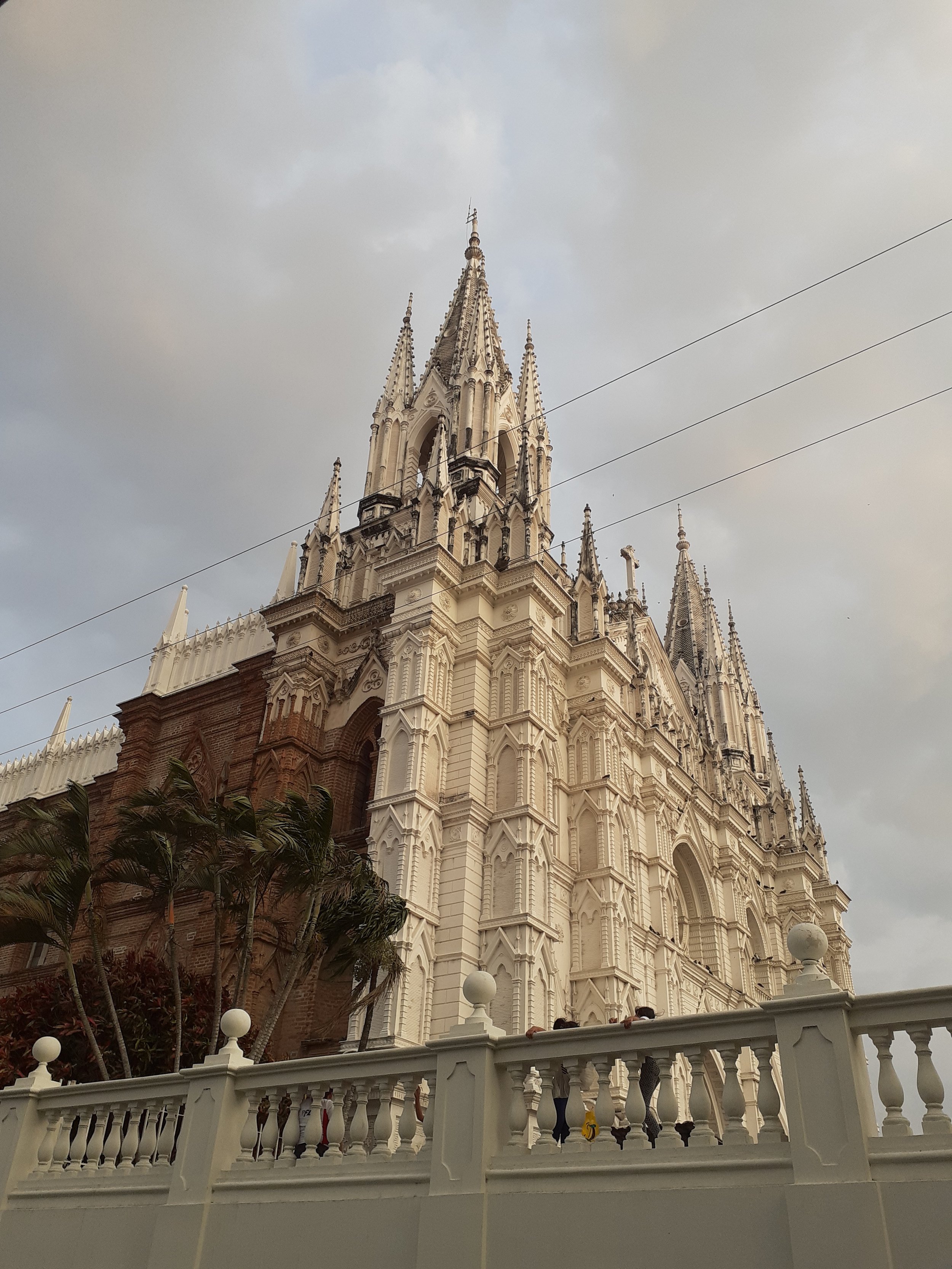
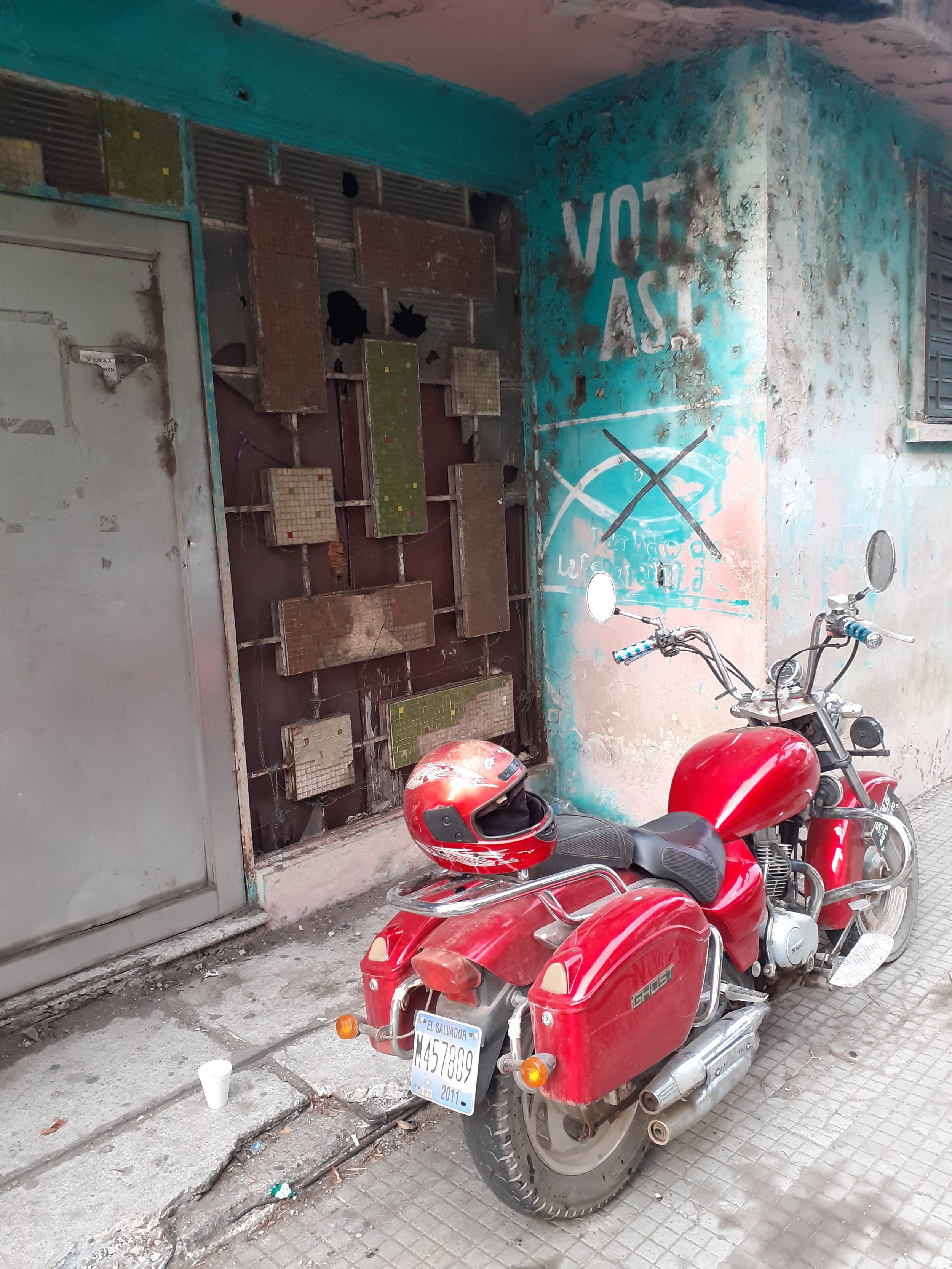
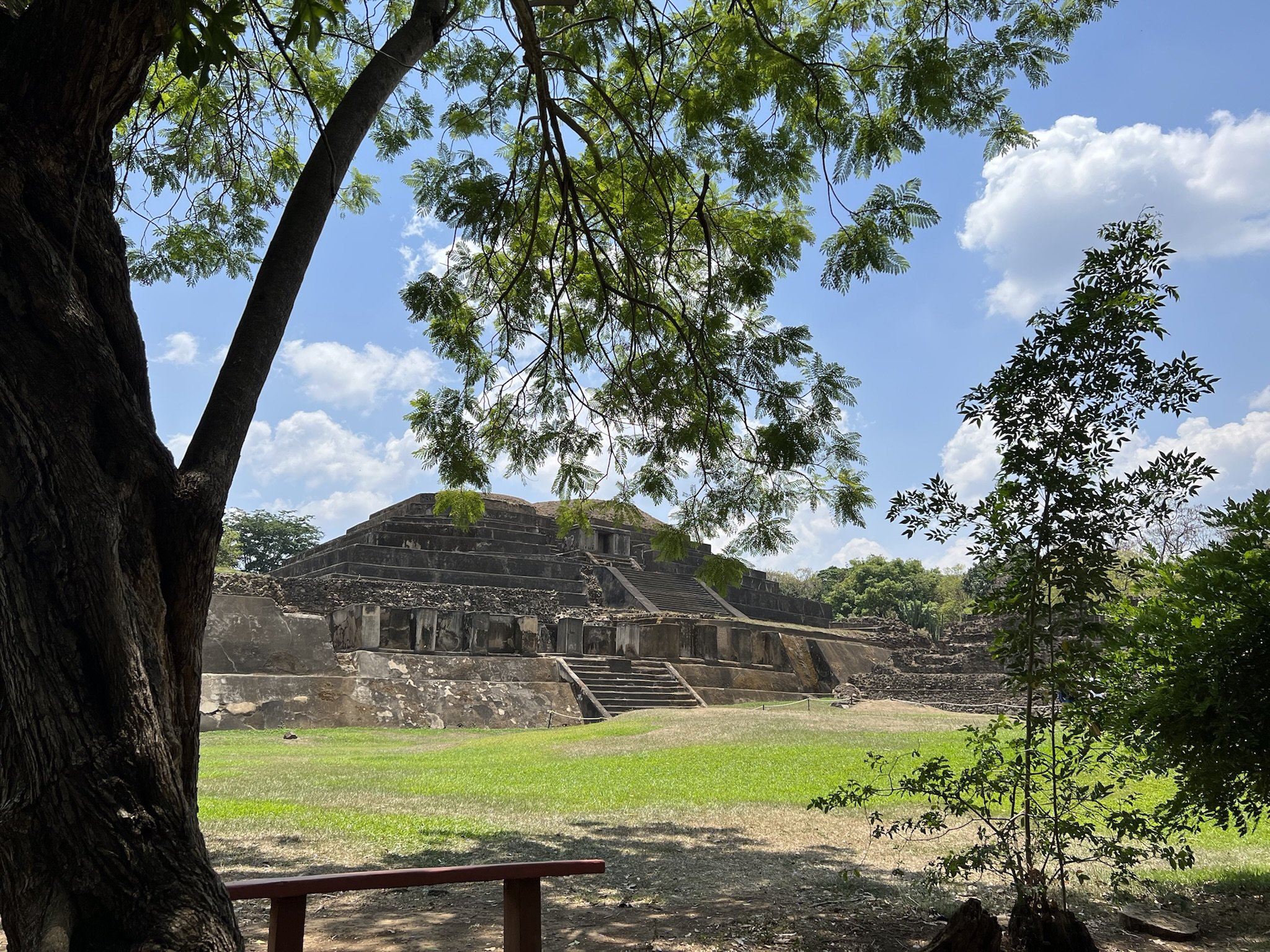
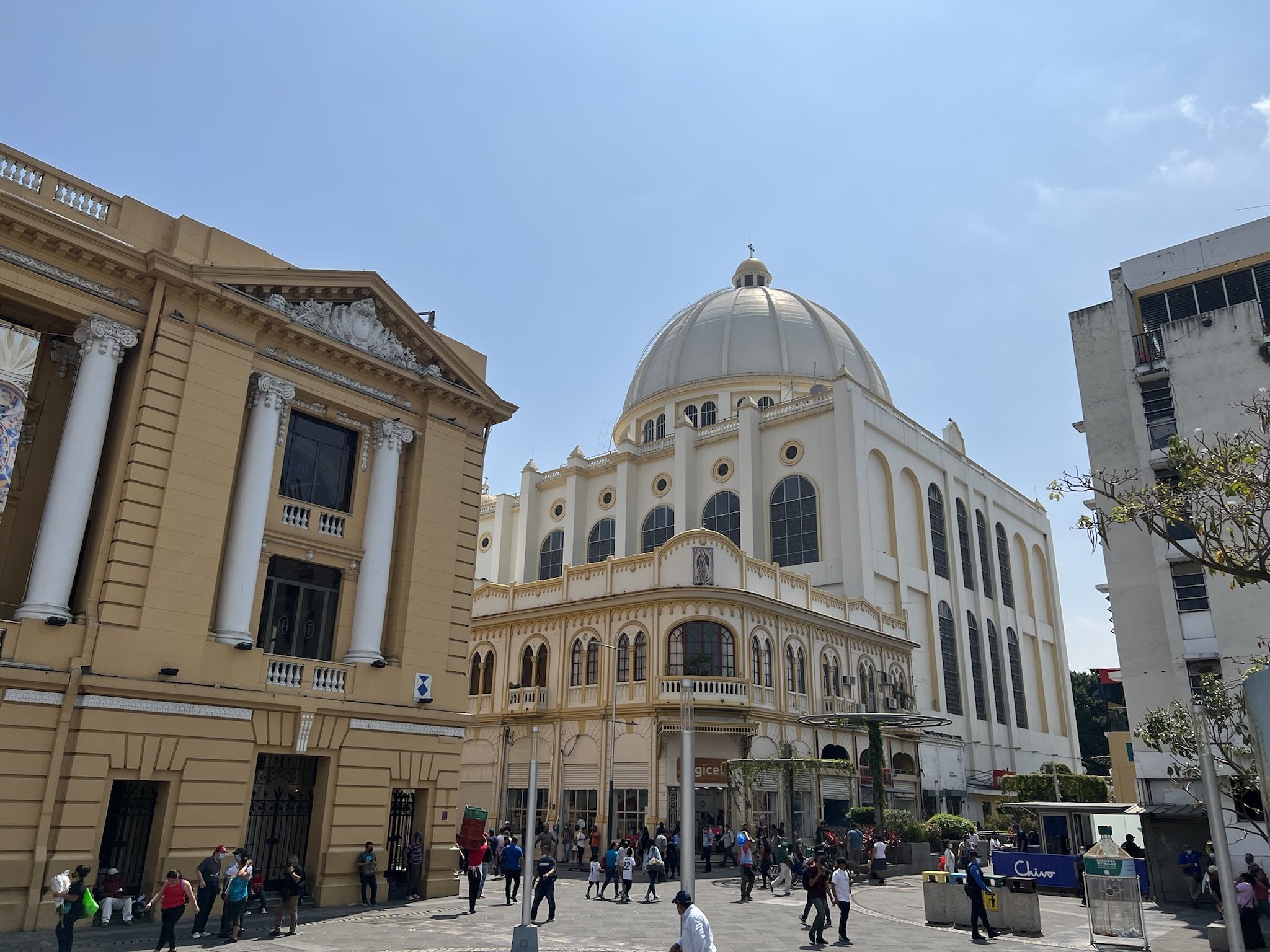
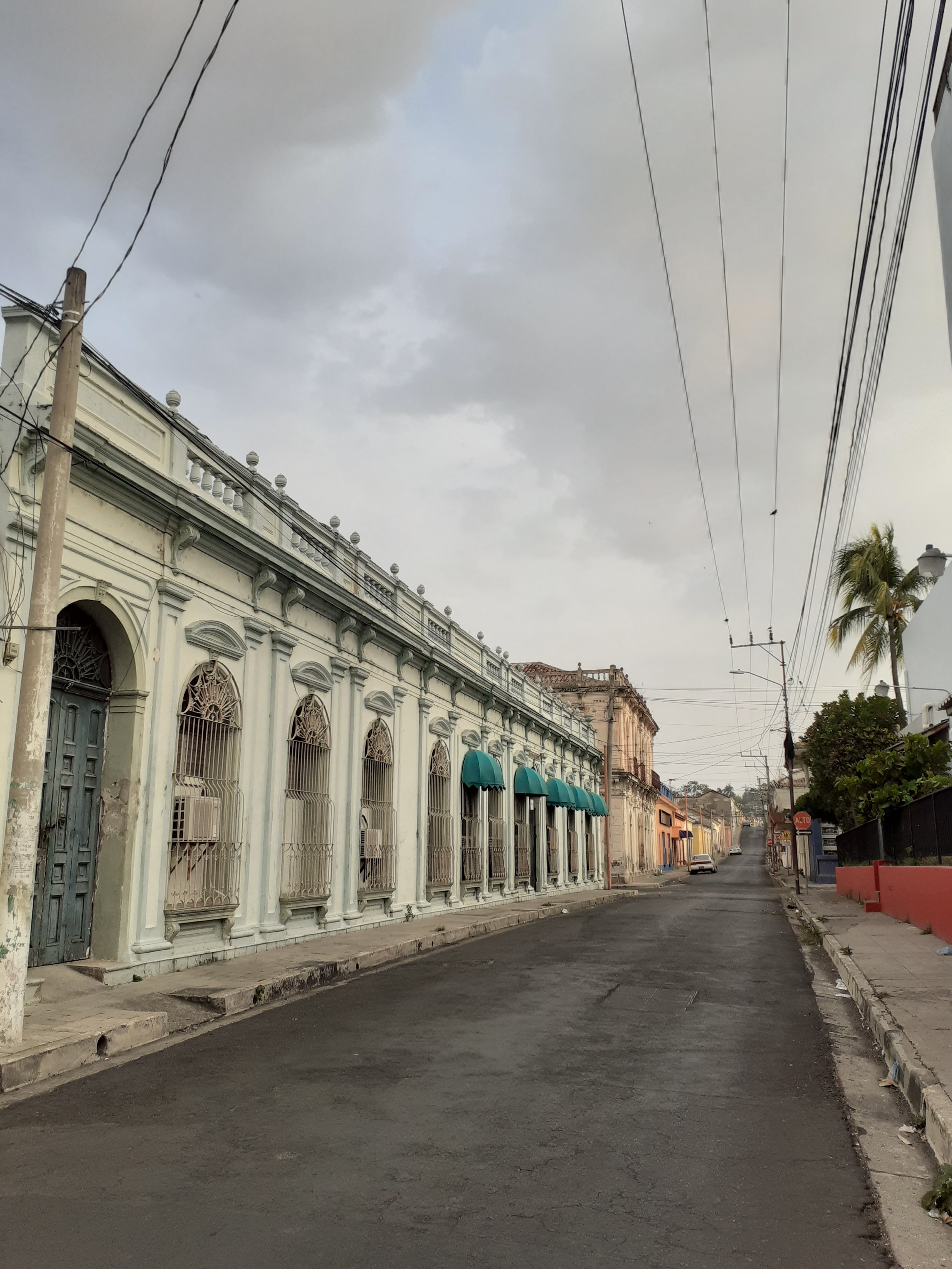
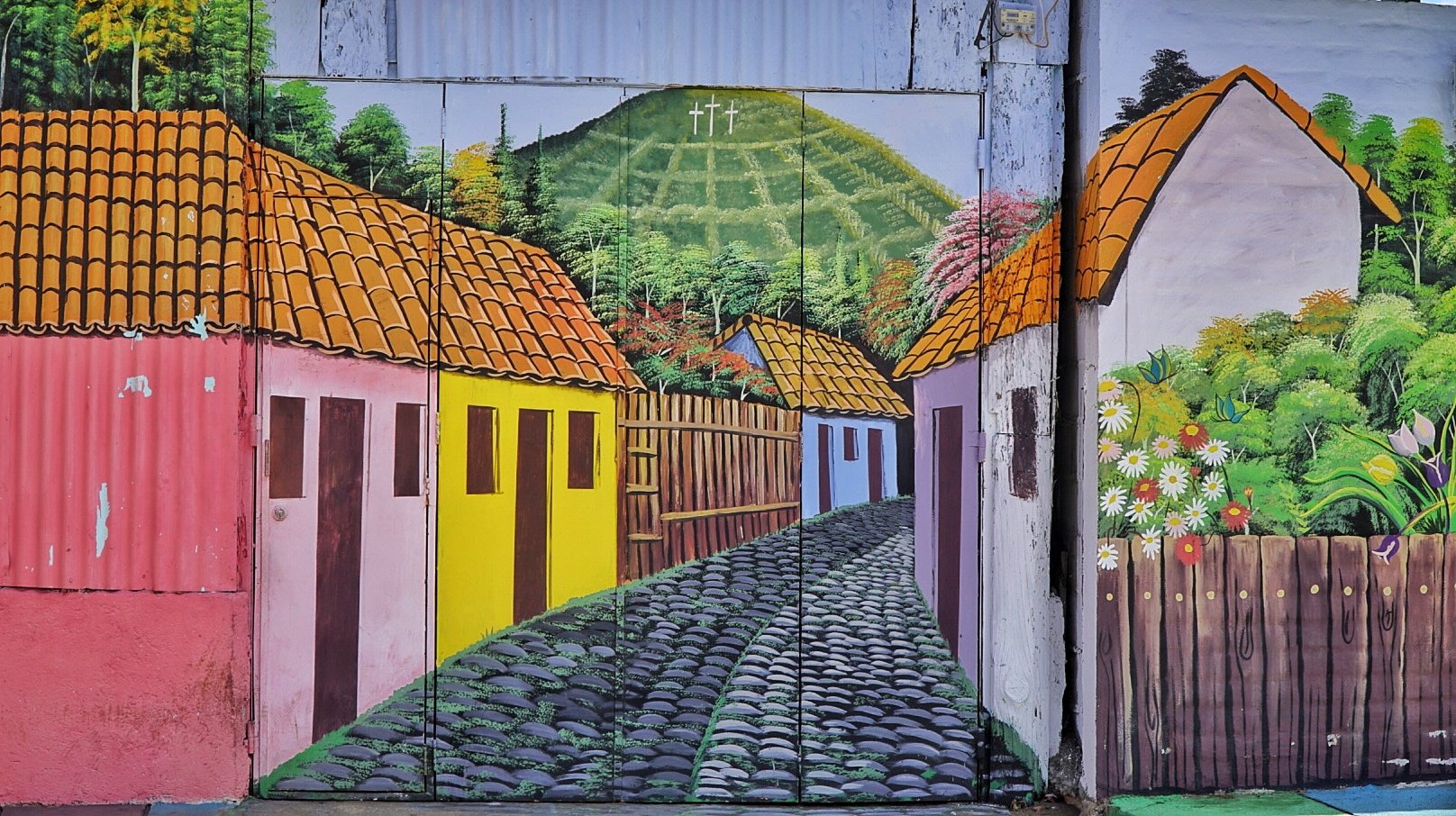
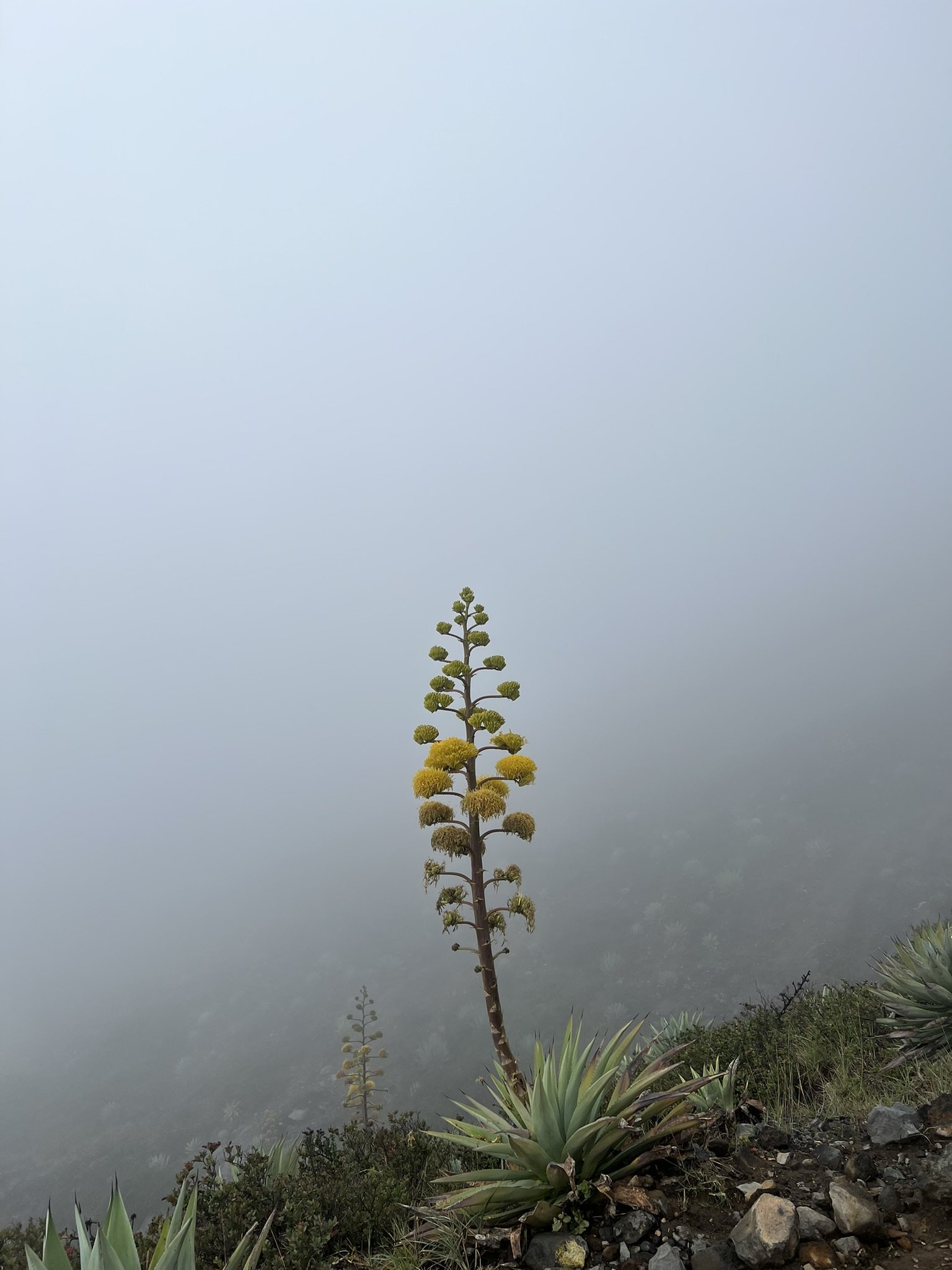
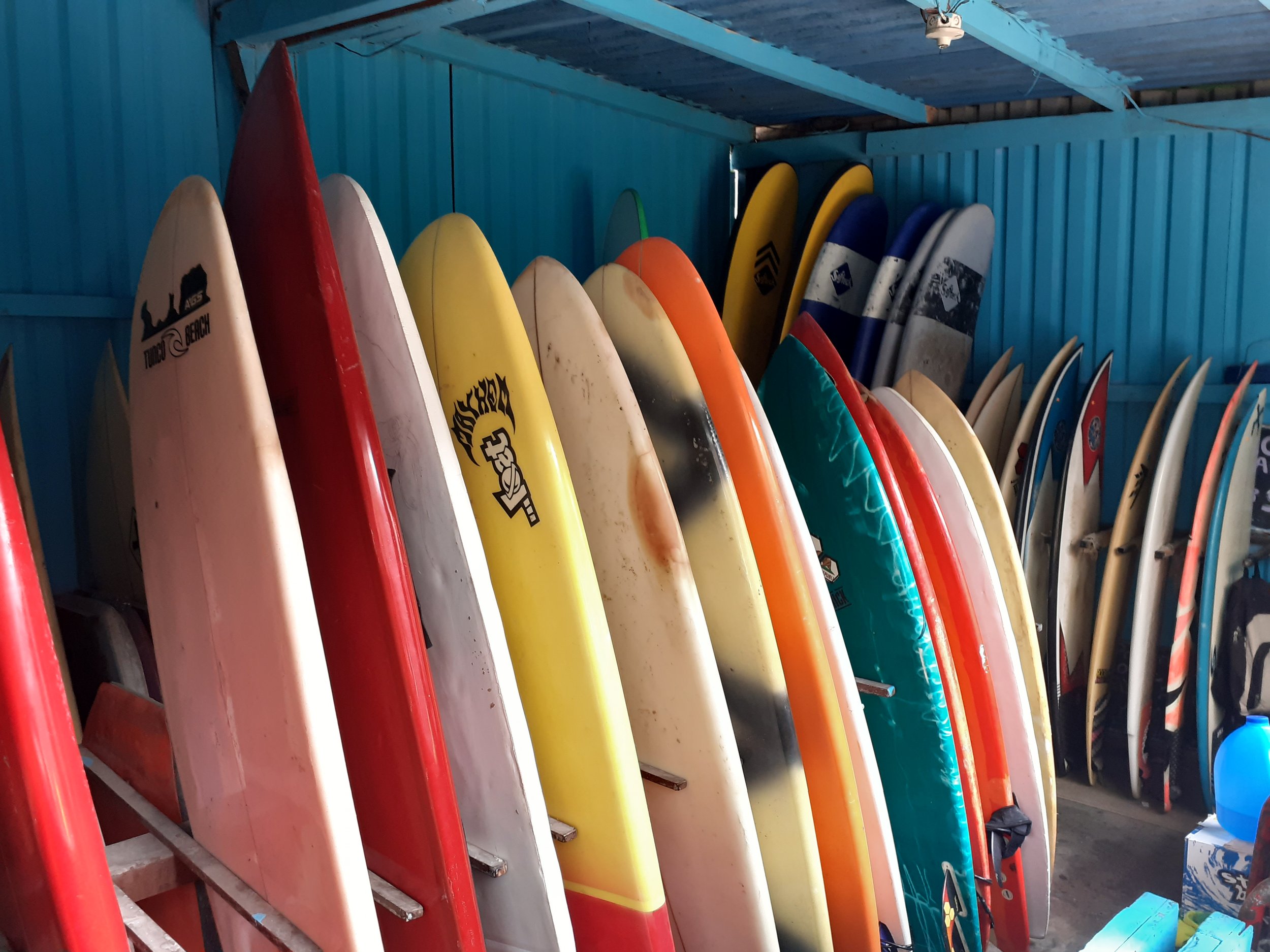
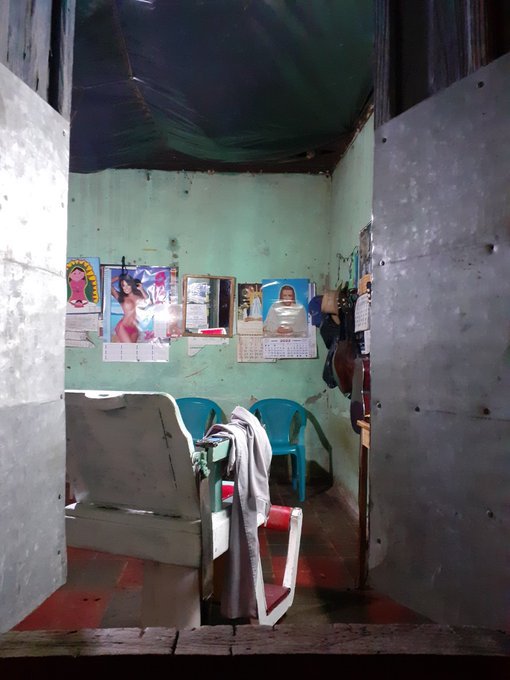
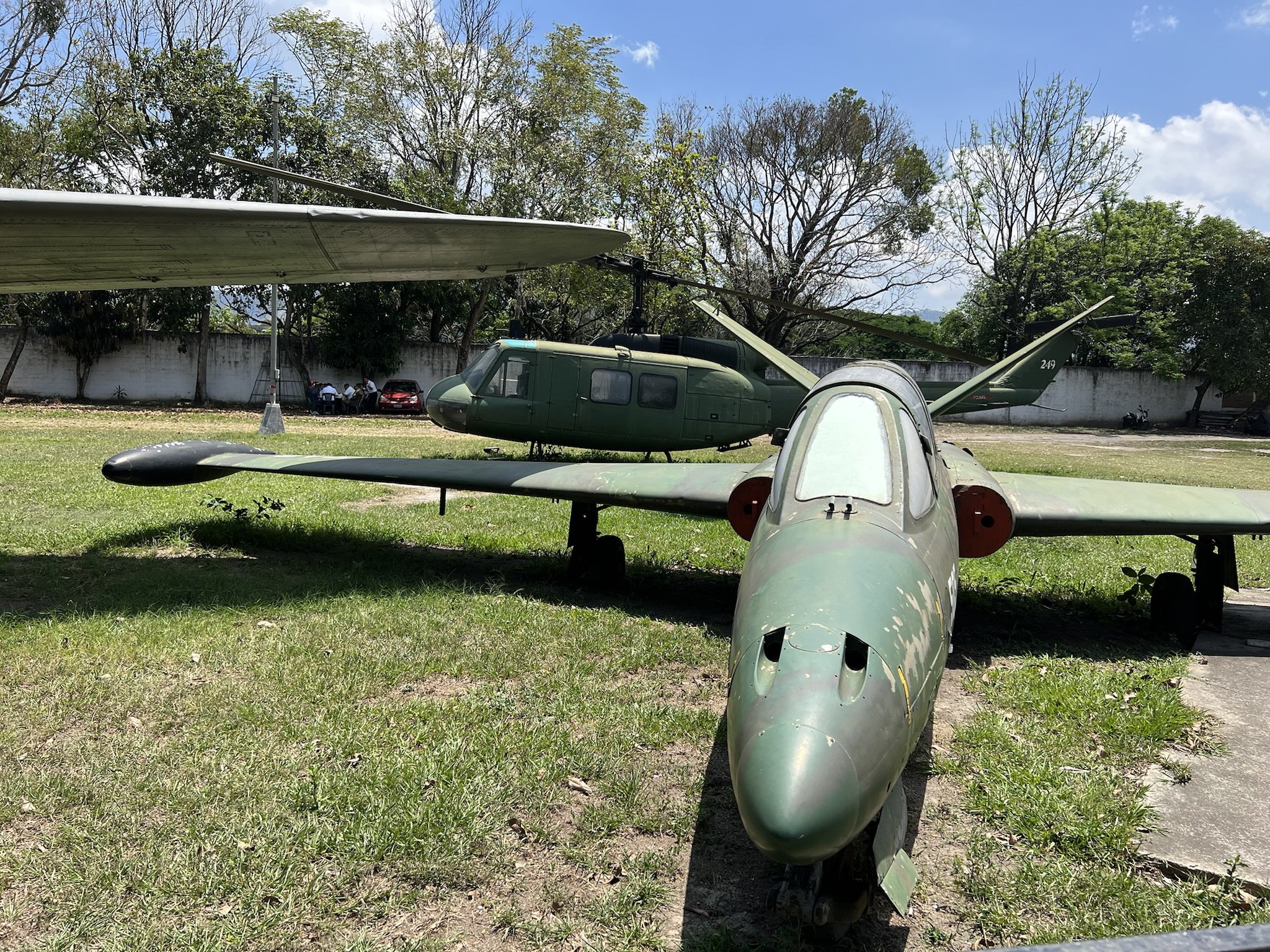
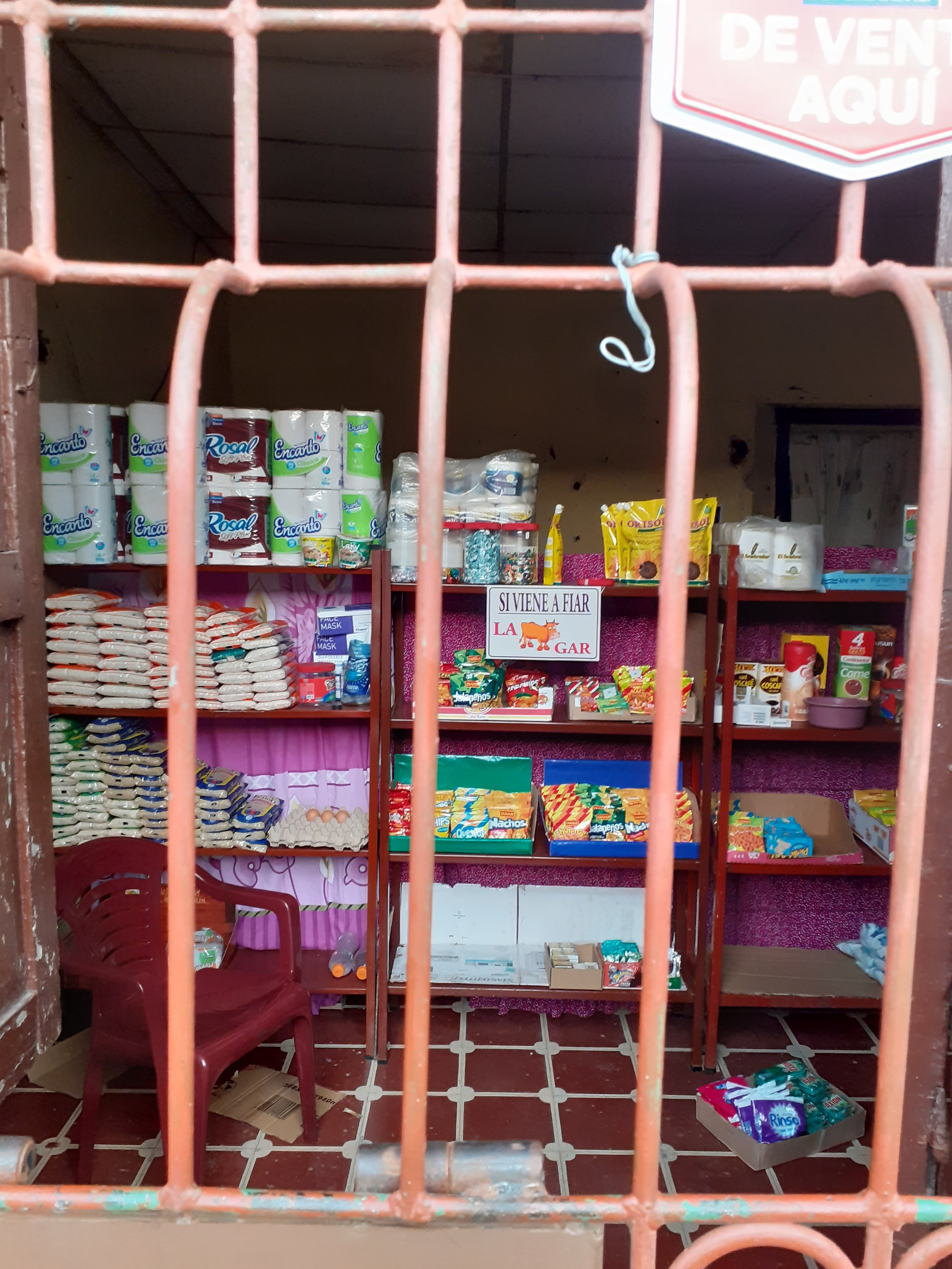
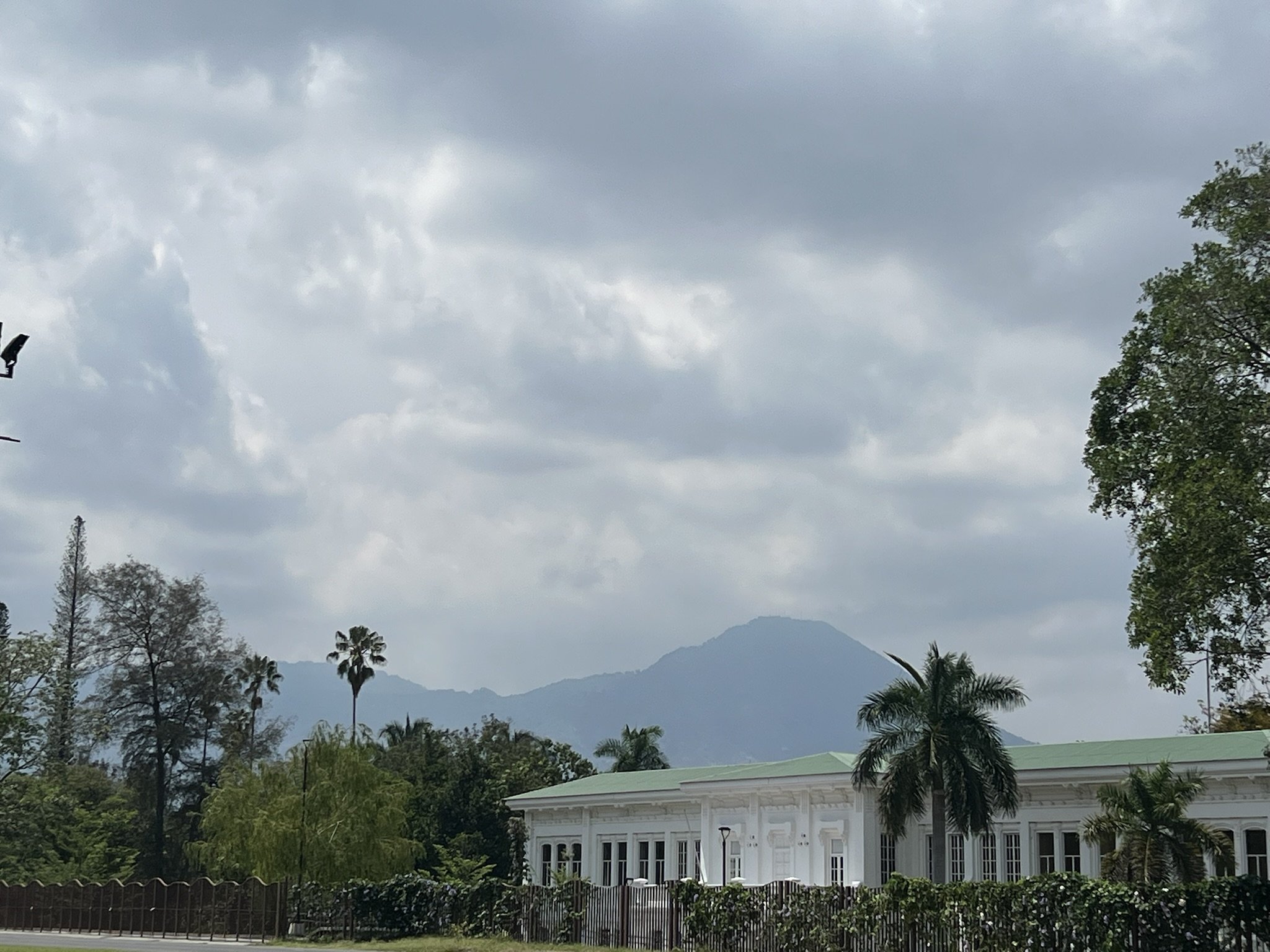
Not the same level of graffiti art as in Mexico or Colombia. But there were lots of commissioned street art particularly along the famous Ruta de Flores. Stunning brightly coloured adobe houses with murals of volcanoes and birds. We stayed in the colonial town with cobbled streets and a big market, called Apaneca which means ‘river of the wind’ in Nahuatl in the coffee growing regions. The obligatory grand colonial cathedral with fluttery bunting, towered above the main square. There was a long queue outside in the main front courtyard and I believe it may have been a confessional queue in the open because of COVID restrictions. There were a lot of sheepish looks. Confessing with the fear of being heard by the community surely creates the biggest shame and deterrent.

And, of course everyone thought I was a local. Persia my daughter looked particularly Salvadoran. So even when I said no I was born in Bangladesh, locals would resume talking to me in Spanish anyway, in a kind of not to worry it’s fine you are one of us. I feel Iike I have already written this before when we were in Mexico. I'm very ashamed to say sometimes when you travel a lot experiences blur.
As we were there during Easter holidays, a lot of the tourist sites were full with locals. There was this one sort of themed eco park with a very high hedged maze. I felt horribly claustrophobic in the maze, which my husband and daughter persevered with for a full hour.
There were also a set of zipline related high octane activities, which personally I think should be treated with respect. Respect the ziplines. But get this ….you could ride a bicycle on the zipline, one which you could surf on and one which was more like a bungee jump. There was also very very disorientating loud dance music with scratchy base. It wasn’t right. I watched gasping with fear and awe at those who dared participate. These were one entertainment derivation too far.
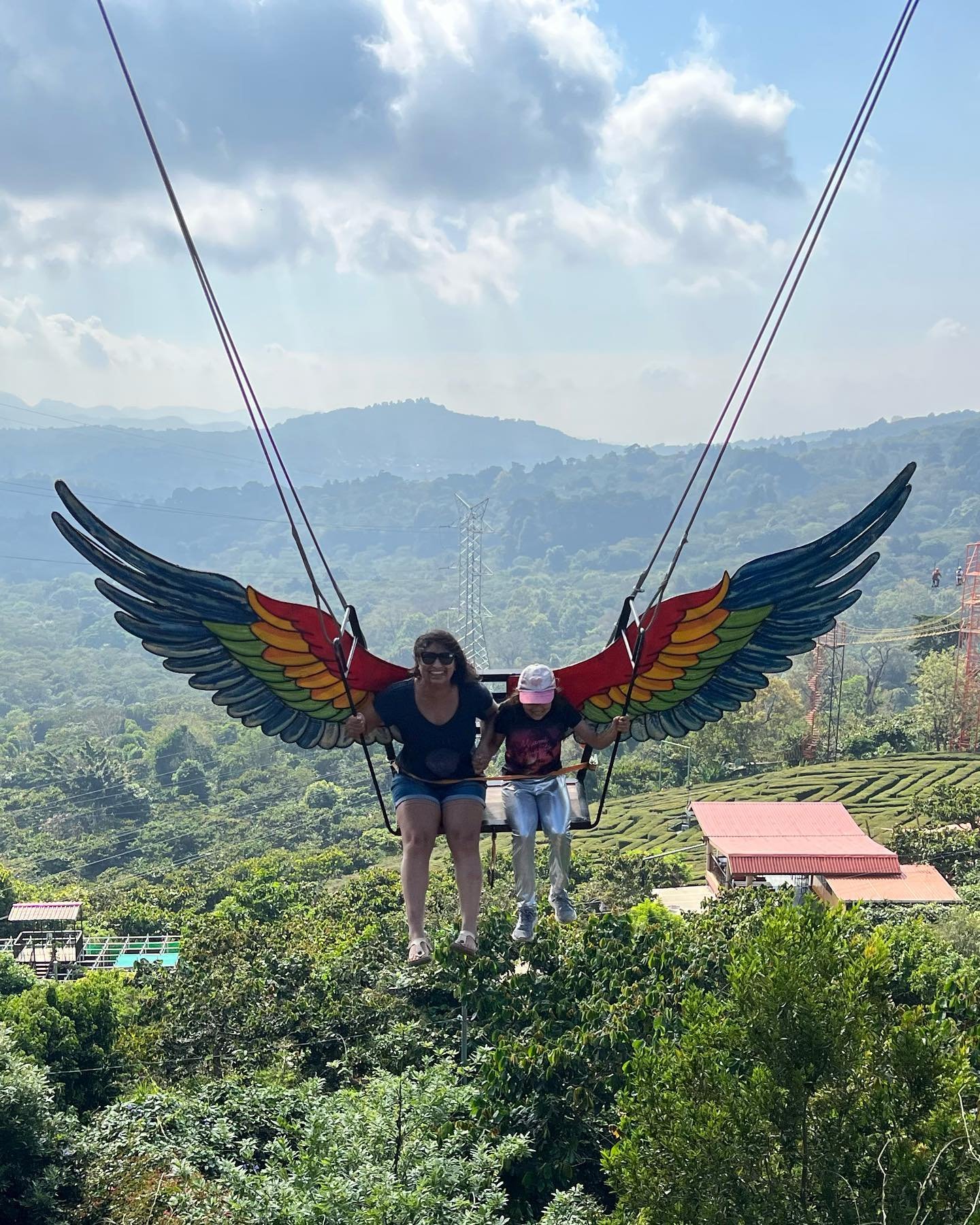
The one I did do, was high swing with my daughter- NO harnesses which I guess if you decided to let go or jump off would die. But why would you ?
Once the swing started, after the initial scream, I just couldn’t stop laughing. My daughter side eyed me with slight incredulous embarrassment and then also started laughing. I love being the most embarrassing mum ever.
International tourism has been steadily increasing in El Salvador. In fact in 2019 there was a 21.46% increase from 2018.
From our observations there seemed to be 4 types :
1) The time poor luxury tourists who had their own guide taking them around the highlights of Central America. We met an Indian family from San Francisco on our proper Ziplining experience which included being squished up with them on an open top jeep up the mountainous forest.
2) The backpackers and spring breakers…backpacking throughout Central America with no planned itineraries. The consensus was everything was booked out in Costa Rica and Mexico so they had come to El Salvador, as an overspill, with plans to stay longer than expected because it was more beautiful and easier than expected. We met some on our way up the famous Santa Ana Volcano in the west of the country, in the Cerro Verde National Park. We also met other tourists whose parents had emigrated to Australia in the 1980s, but now had themselves become adults, living in the US with 4 children (homeschooling!) working in Texas in engineering visiting El Salvador for the first time.
On a side note, Santa Ana Volcano hike didn’t start 10.30am (we got there at 8.30am), we had to wait for the guide to confirm if the government to safety sign it off due to weather conditions. And you have to have a guide (there were 3 guides for about 30 people). There were also 2 armed policemen and some stray mountain dogs cheerfully accompanying us to the top.
The walk itself was not difficult but I think after our long journey to the Americas I was a bit jet lagged and struggled up the mountain though back down was fine. I felt so lame. But it was worth it, the mist totally cleared up and oh my god the views.
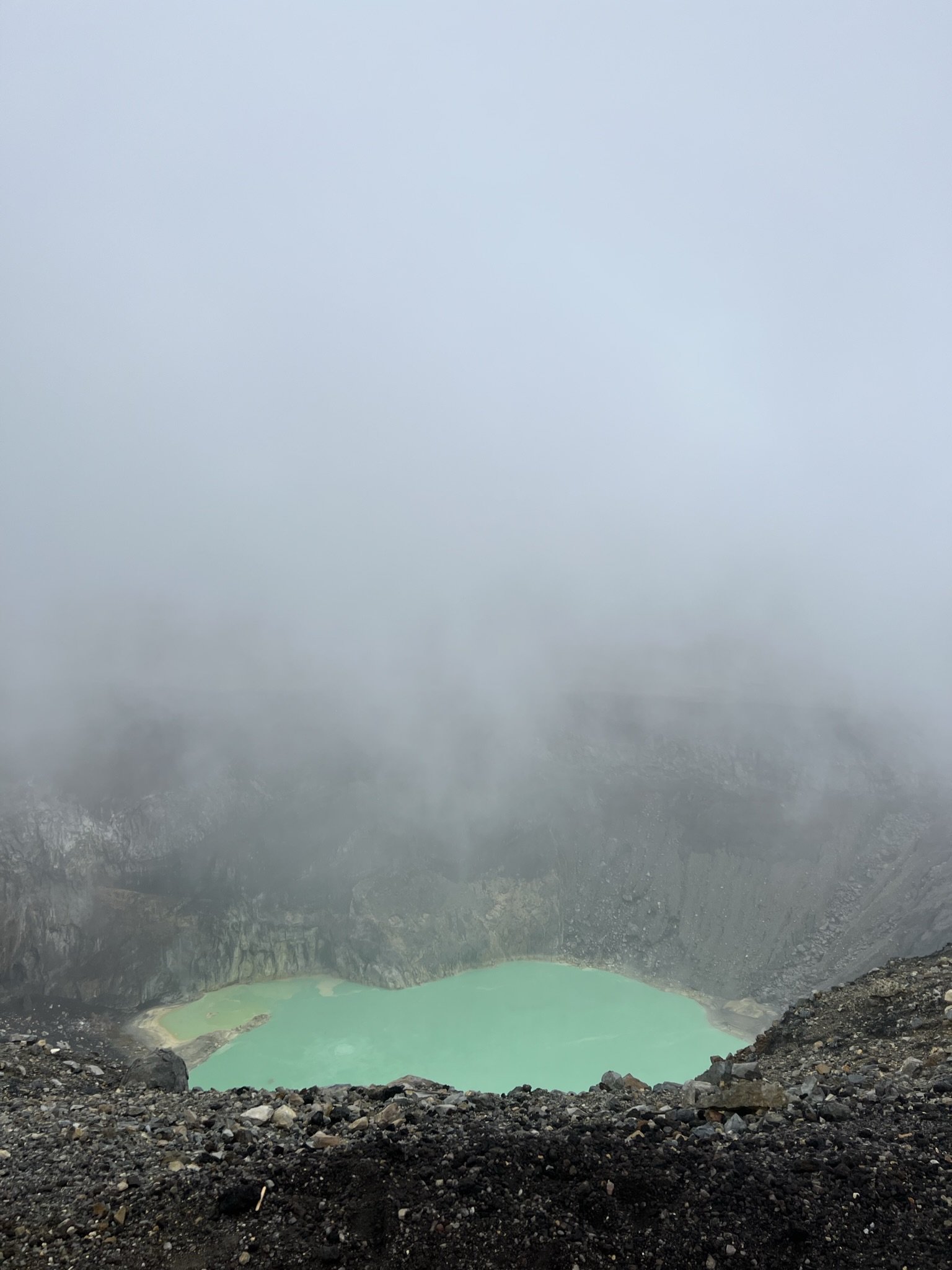
There were lots of squealing college age selfie-takers. There was one girl holding a Canadian flag backing closer and closer to a sheer drop off the ridge of the crater for the perfect selfie, and my mum instincts in overdrive had to tell her off .. .I shouted to her that she was about to fall and die. She did move forward closer onto the main gravel but cheekily responded ‘I love living life on the edge’. I put my hands over my daughters ears.
A lot of these backpacker types, seemed to have visited El Salvador before through American Bible groups.
3a) Which leads me to the 3rd type - old school missionaries in white vans and guitars (groups of whole families) on Christian missions. Perfectly nice people but well … charity work ok but missions ?
And finally the 4th type or may be 3b) the other soul saving evangelists - Californian crypto surfers.


NORWAY Identity
NORWAY Samisk Folkedag Identity
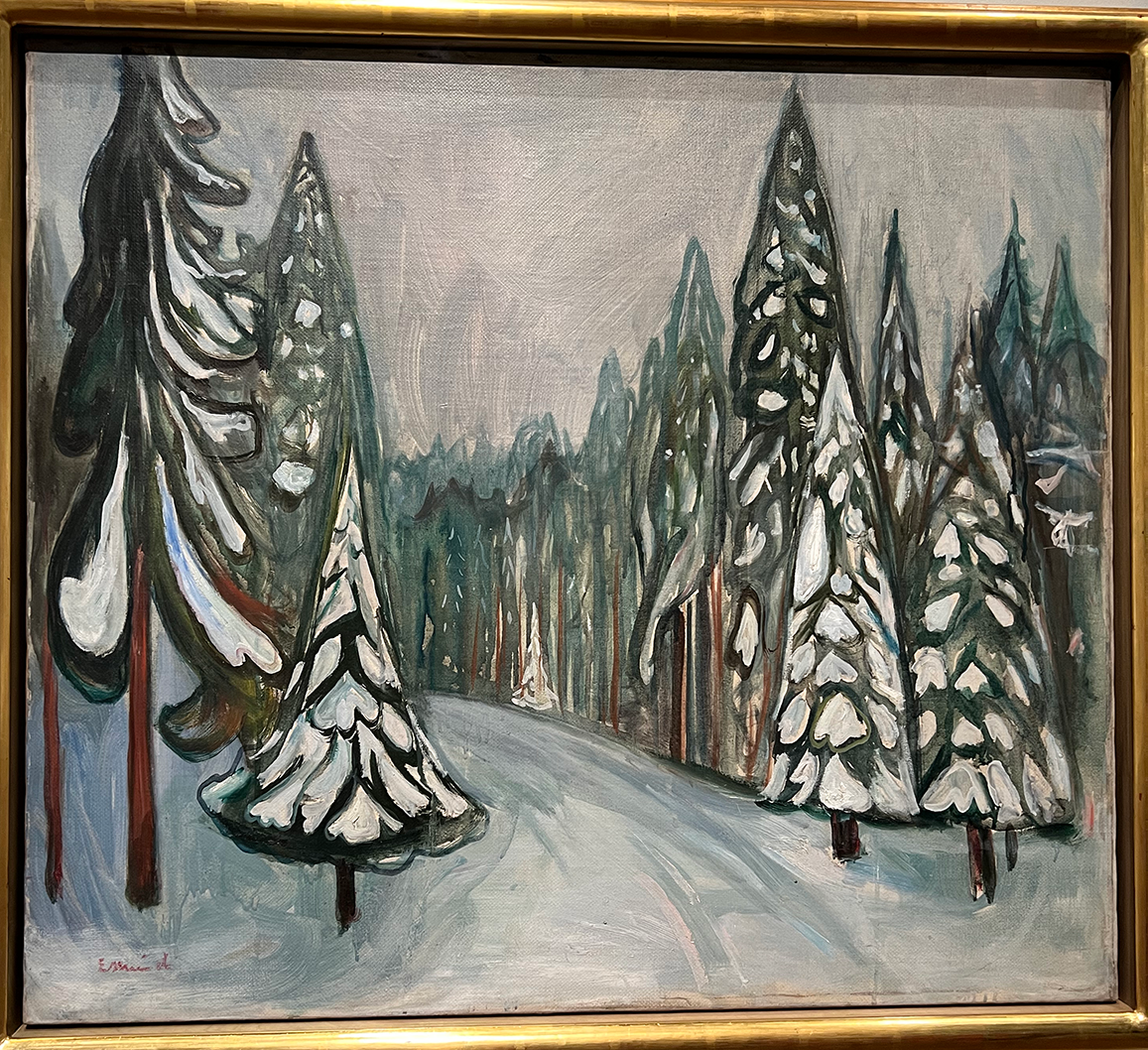
The Scream by Munch, 1893, Sold for $119.9 million in 2012. The idea for the Scream, came to Munch when he 'heard the enormous, infinite scream of nature' inspired by a sunset …. but we all know it was about the anxiety of the modern man. We feel the utter despair - used as a pop culture reference for so much including the movie and the masks .. what was it called again ?
I had read that the seasons of long nights and no sunlight are associated with depression. There is a whole industry based on it.
But on the the contrary, Norway frequently featured in the top 10 best places to live in the world. So what was up with Munch ?
There are many many reasons to be happy in Norway compared to other countries, but every day people are still exposed to everyday awful experiences. Around half of people in Norway experience mental health problems or disorders at some time during their life. And Munch was one them and his work revolved around this. Also heavily influenced by his visits to Paris, categorised under Symbolism – focusing on the mind rather than reality.
"In my art I attempt to explain life and its meaning to myself."
He had grown up with death and sadness, he had watched his mother die at the age of 5 and then his favourite sister at (both of tuberculosis) and was brought up with his siblings by his religiously zealous father and aunt. He also suffered from physical illness during the long winter months and was kept out of school. He drew to keep himself occupied.
"My father was temperamentally nervous and obsessively religious—to the point of psychoneurosis. From him I inherited the seeds of madness. The angels of fear, sorrow, and death stood by my side since the day I was born."
His mark making and form all a reflection of his inner perspective. “Even Nature is not only all that is visible to the eye... it also includes the inner pictures of the soul.”- Edvard Munch.
So yes, one of the happiest places to live …. that’s now right ? And a lot of the greatest works art have come of from emotinal depths of pain (or religion) ….particularly street art, usually in part protest or break for freedom and traditionally from the ghetto … I was curious to know if Norway, had any of that stuff. Its heritage of Viking warriors, ancient Sami culture and survivalist explorers, gender equality and clean and green (except for the huge oil reserves). Norway is measured and rich. And officially pretty happy.
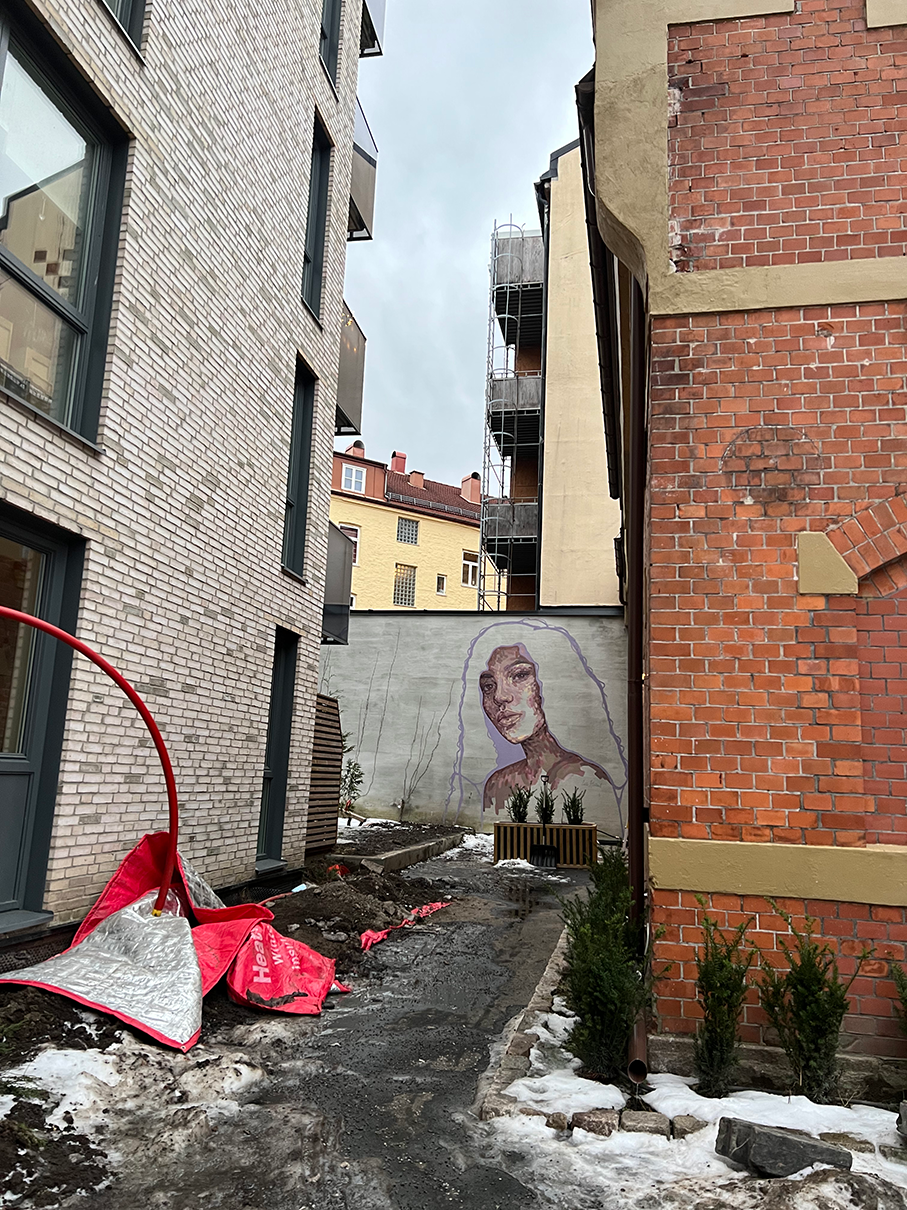
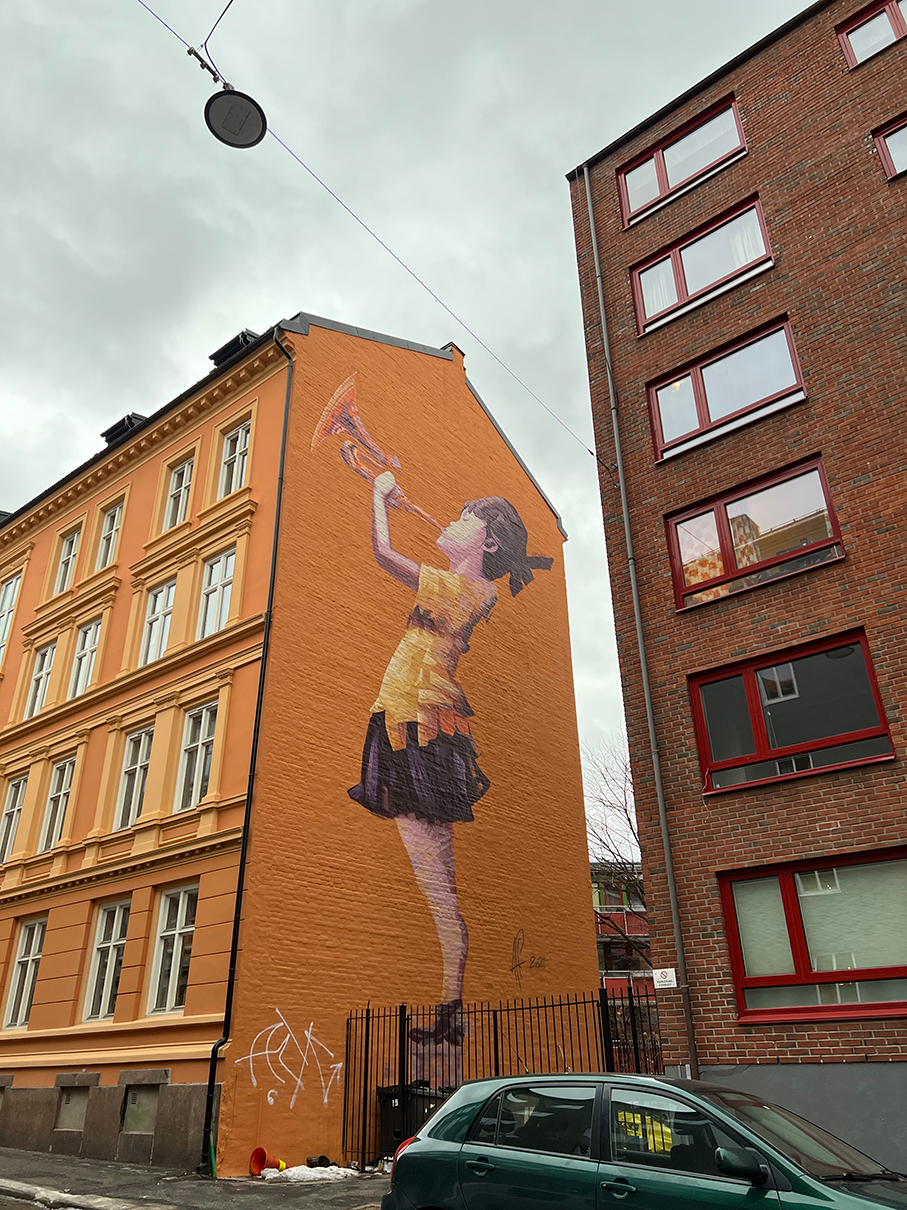
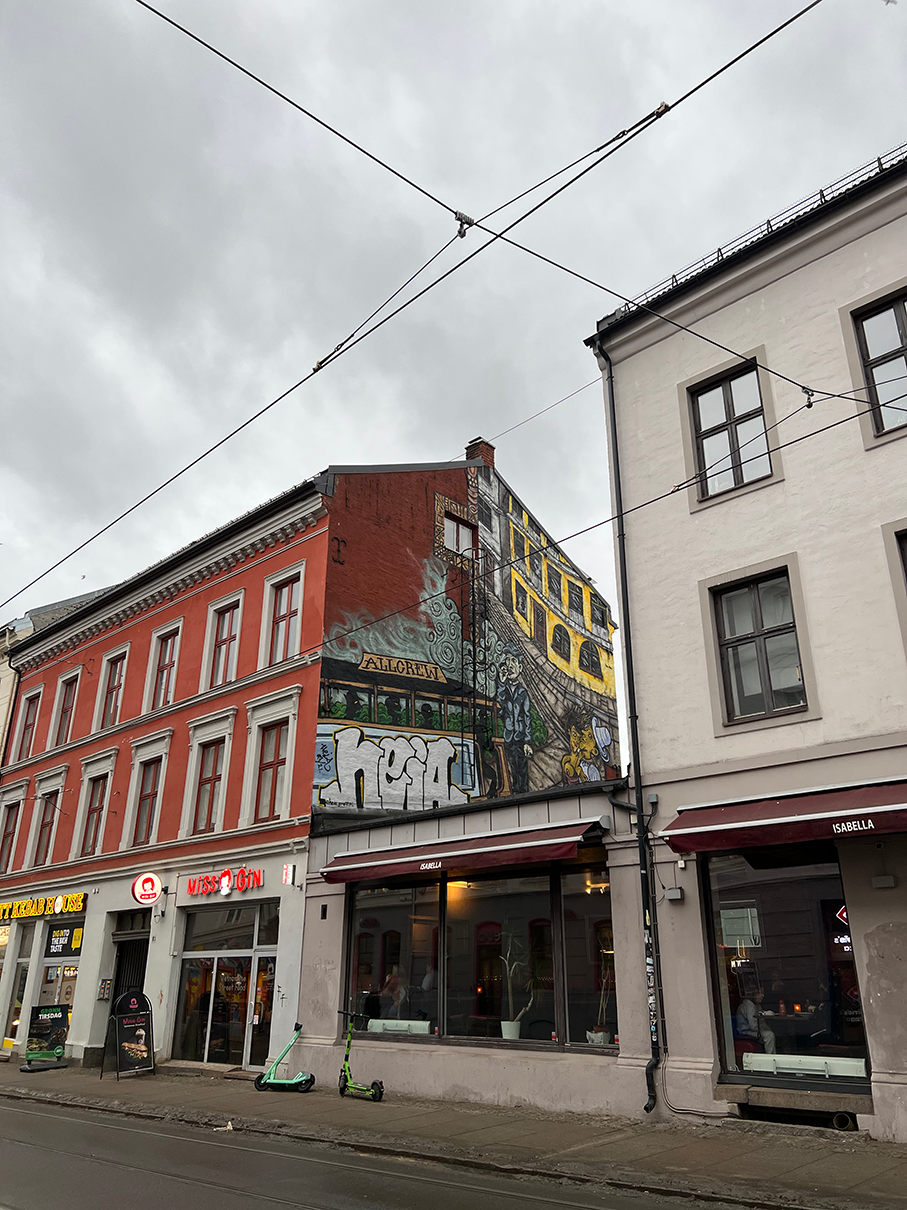
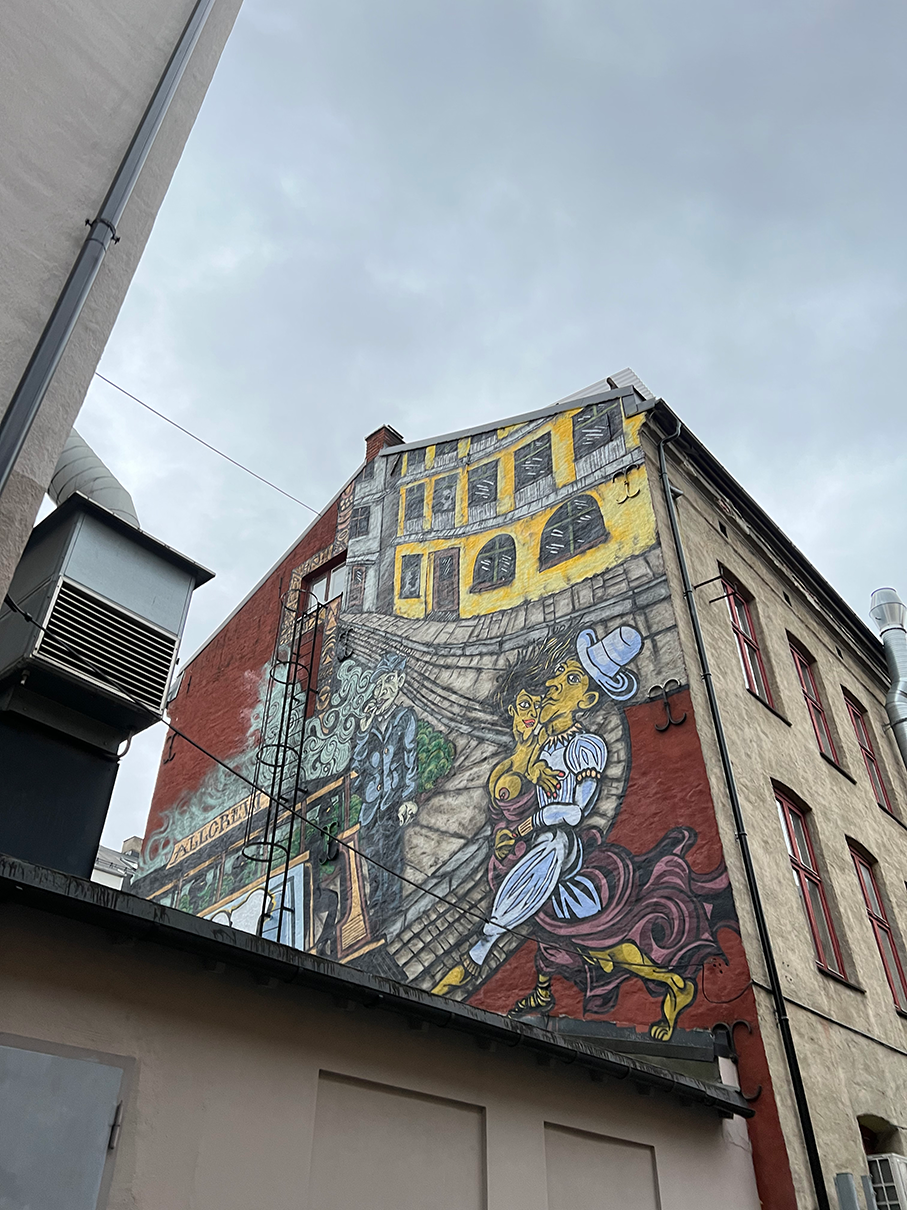
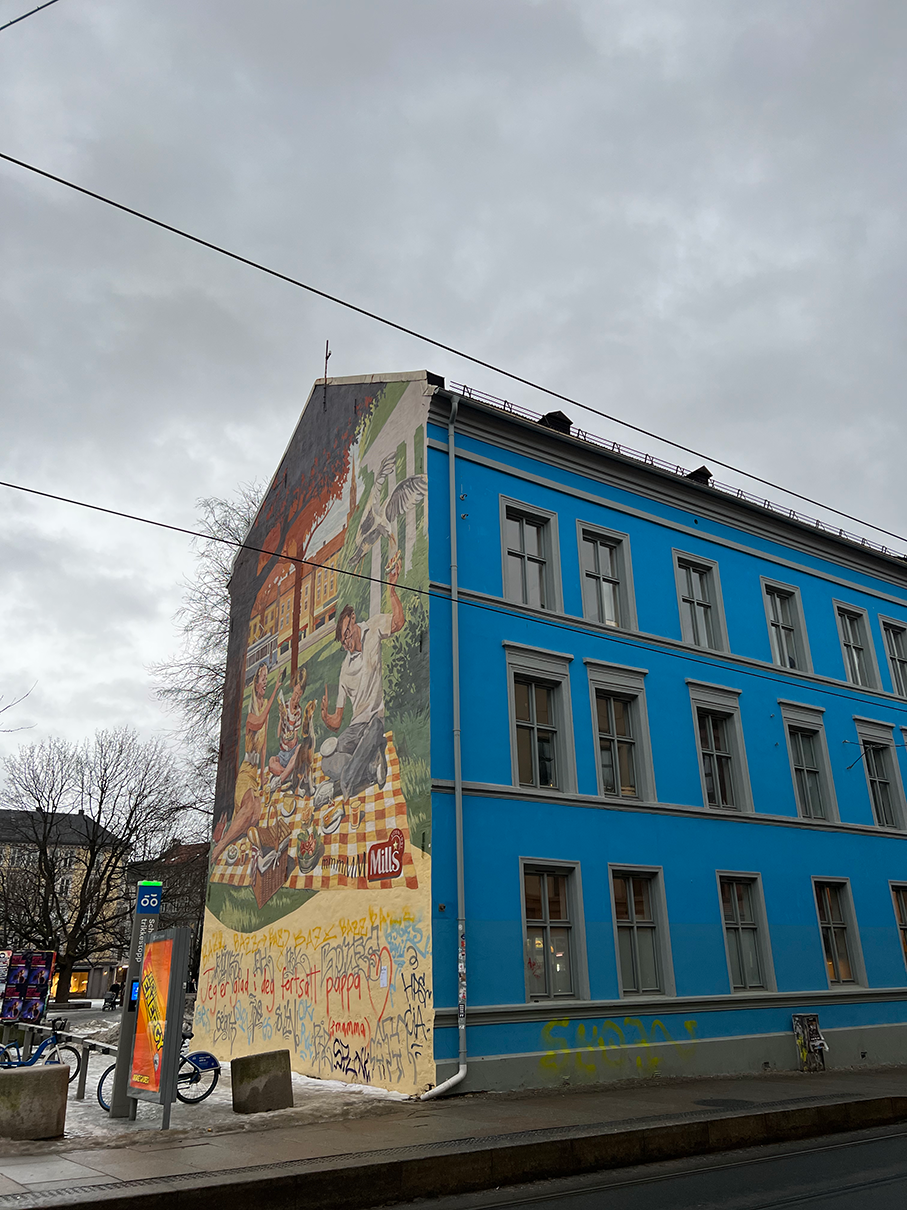
I turned up very late to a street art tour run by Hanna and James. It started in Rosenhoffgata, the grittier area (if Norway could have any gritty parts) which had become trendy with fun bars and cafes. Their company Oslo Street Art Tour, were producers of streetart, finding walls, connecting with commercial or city organisations and commissioning artists to create murals and graffiti. They also run a yearly Street Art festival in Oslo called Løkka-lykke Gatekunstfest, a zine, support the local community and follow sustainable practices.
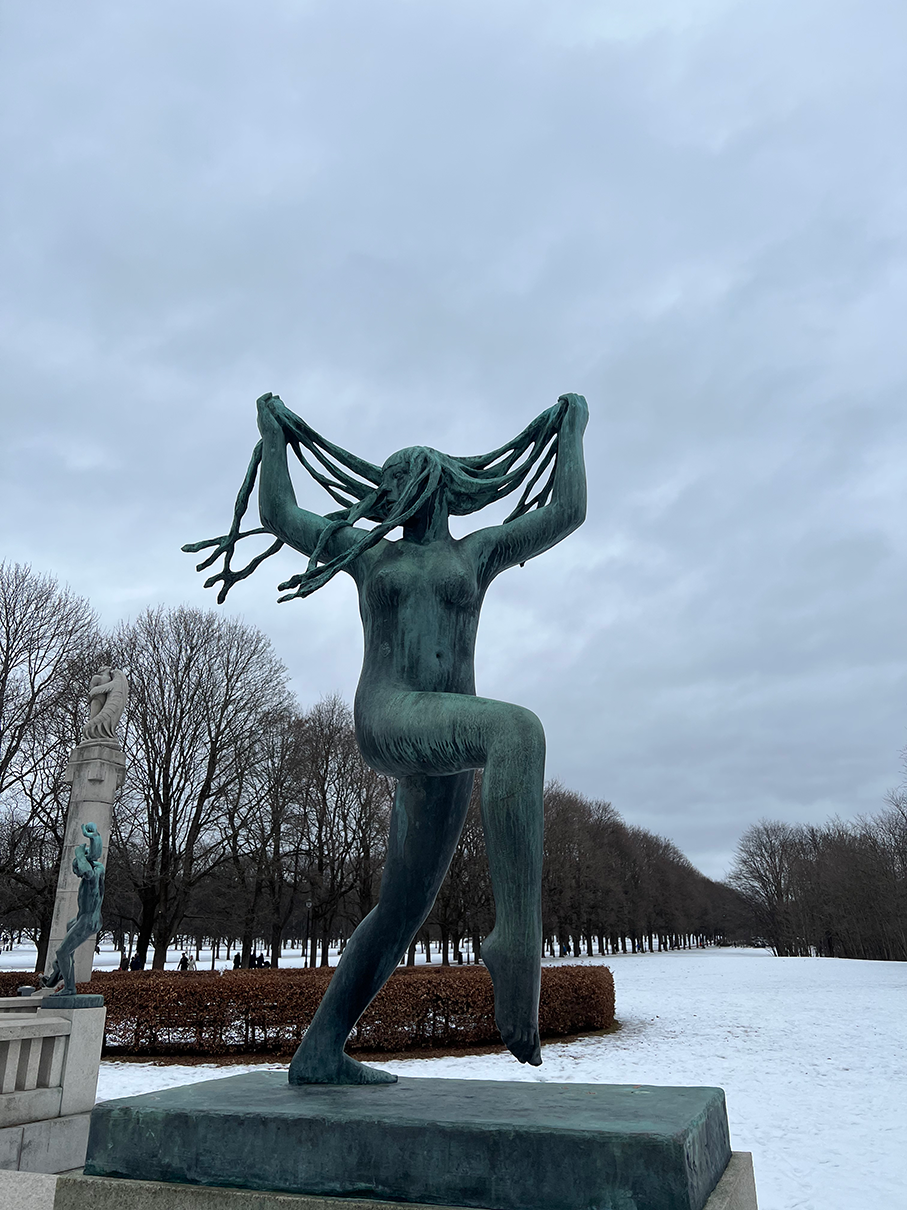
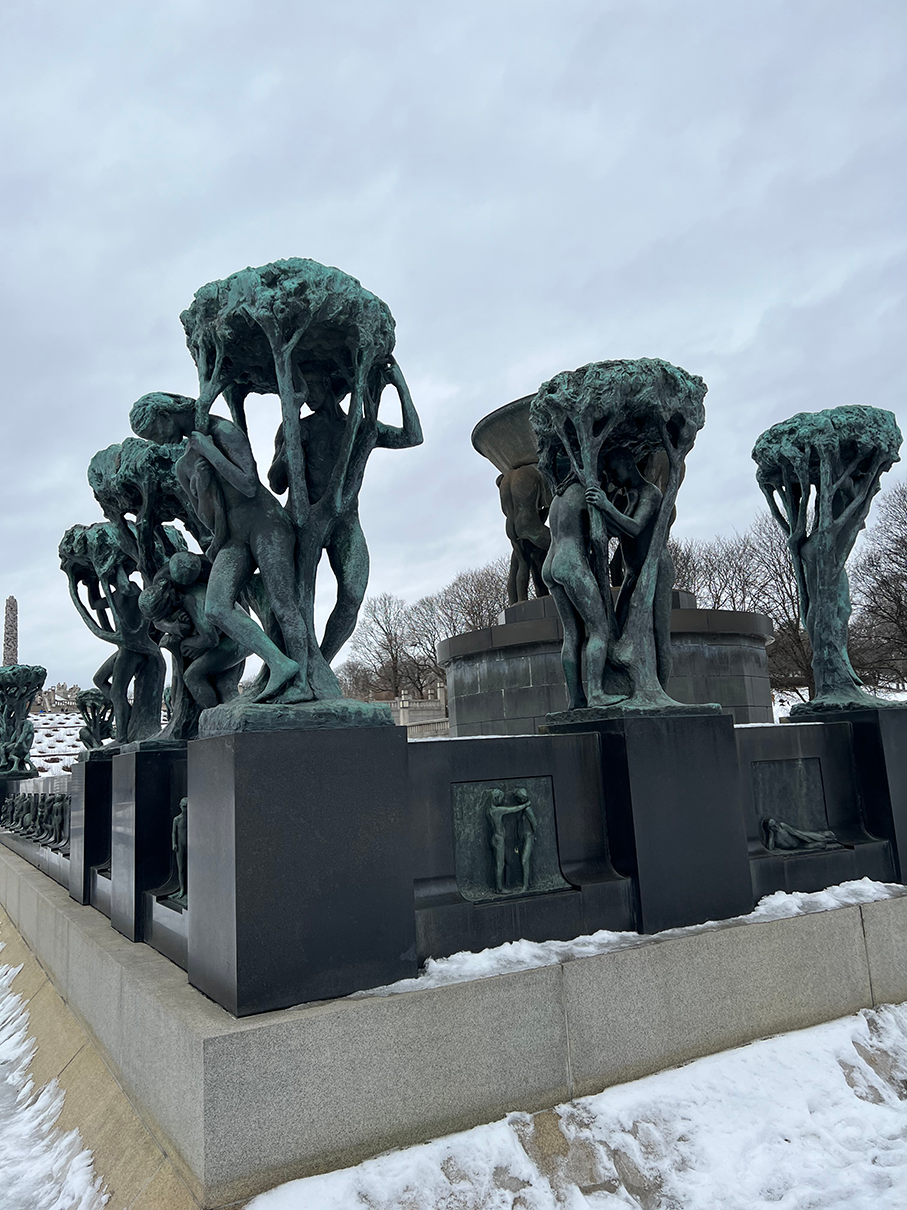
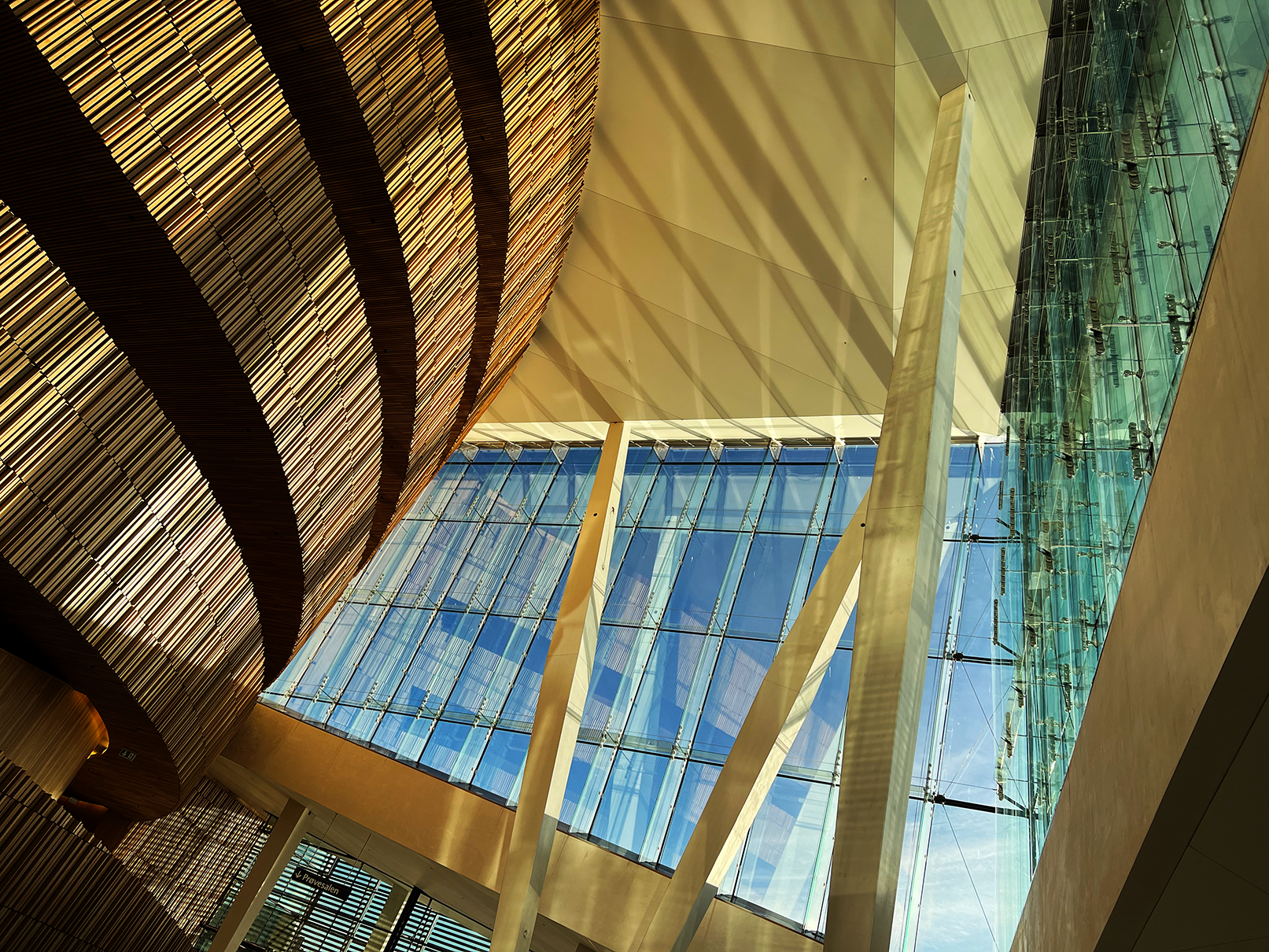
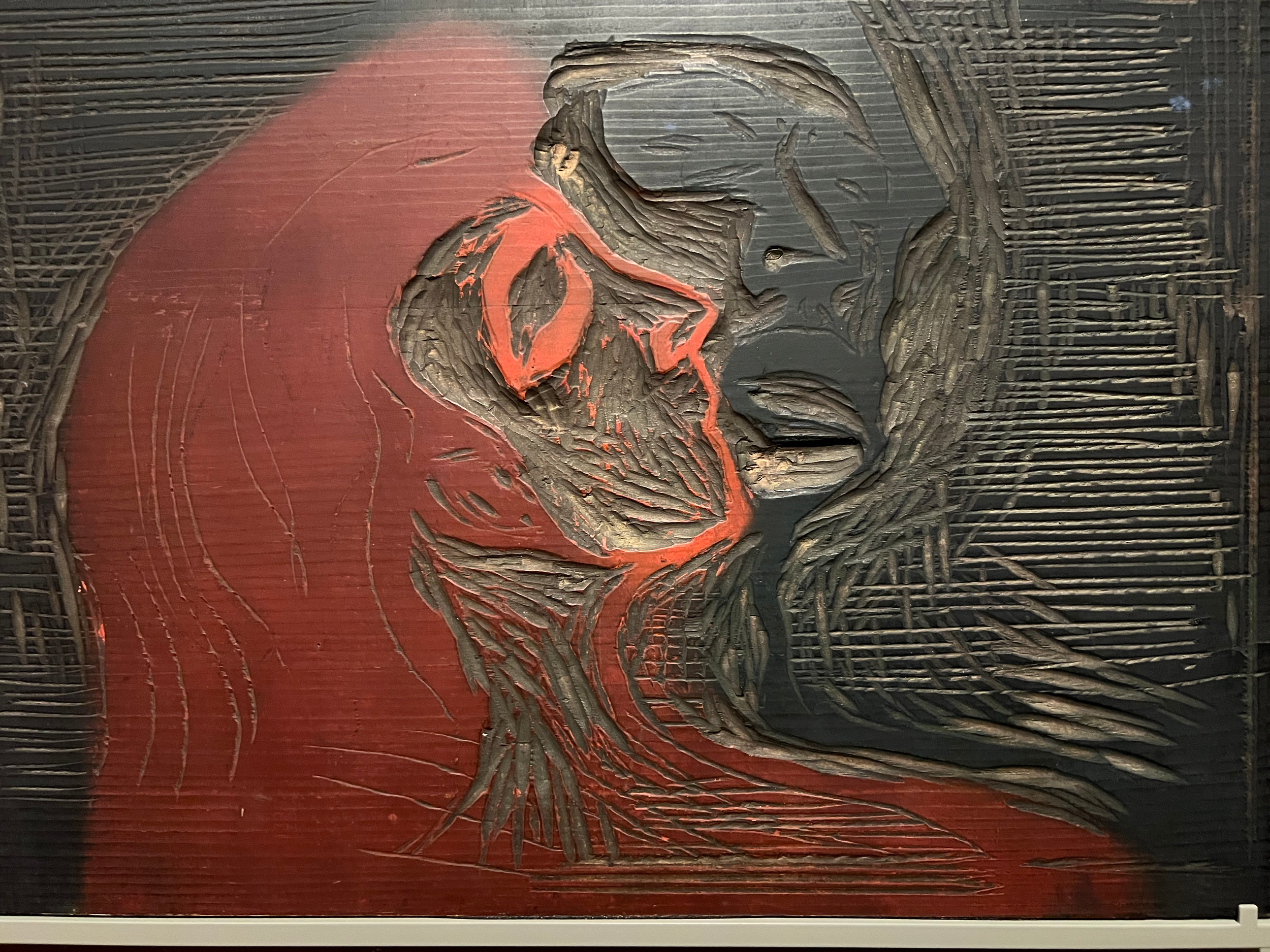
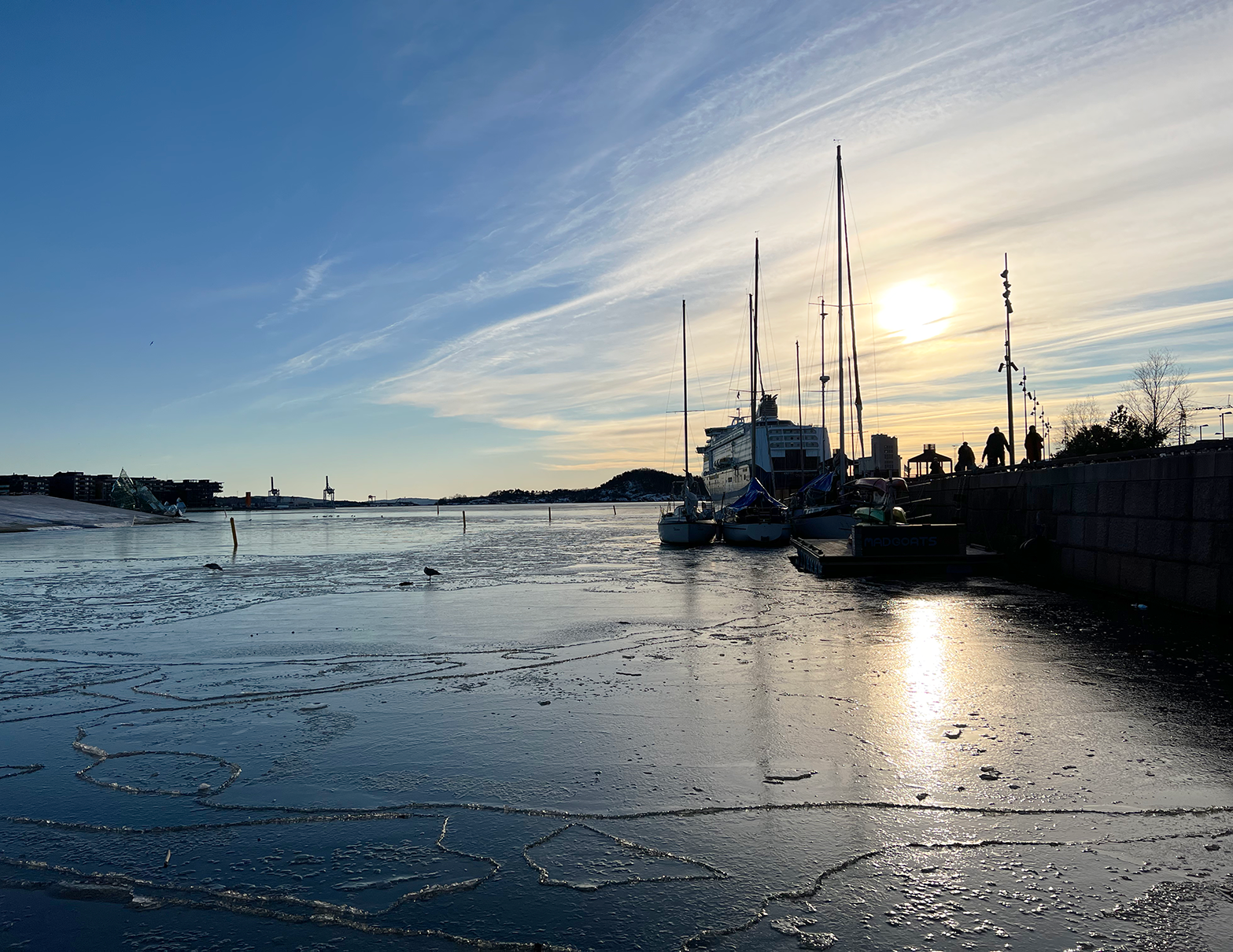
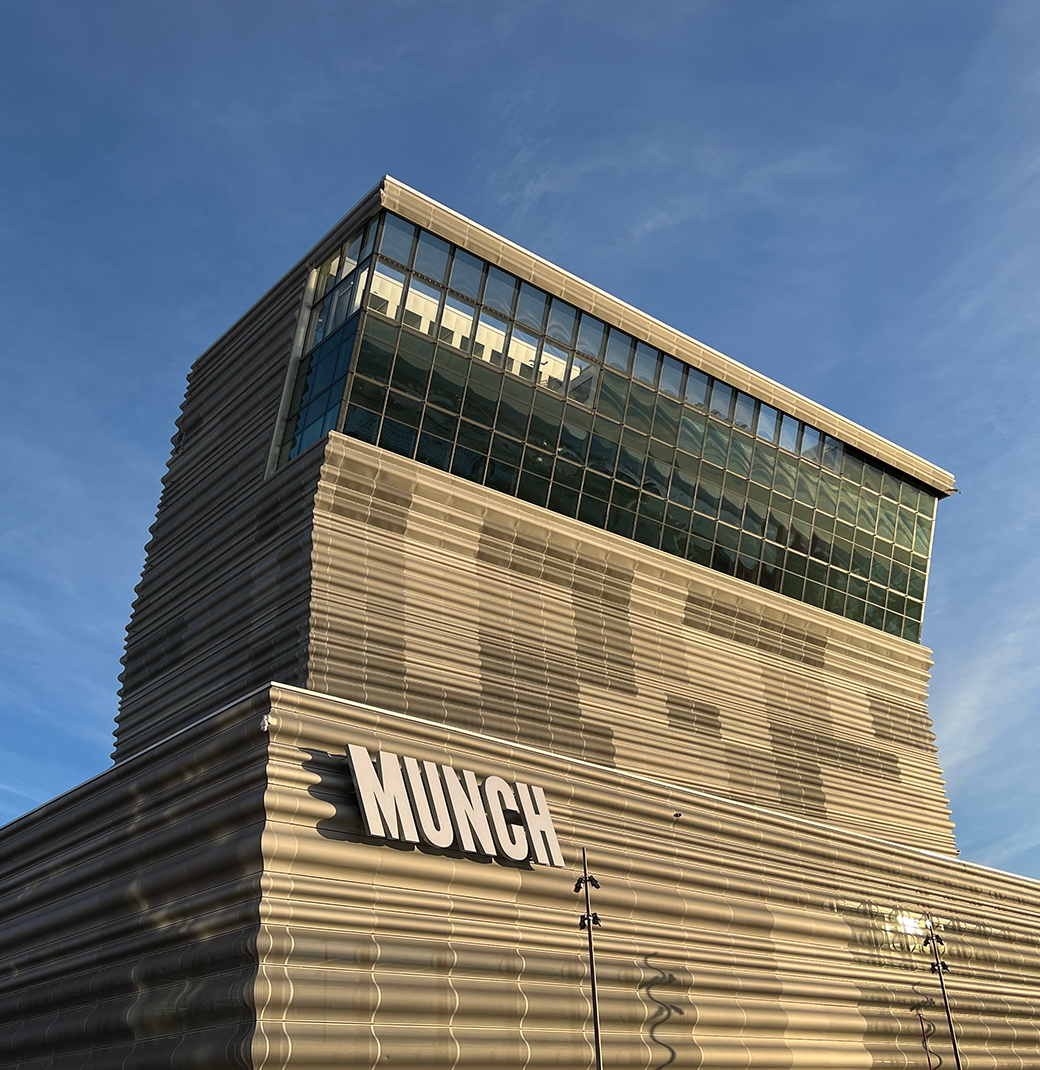
Interview
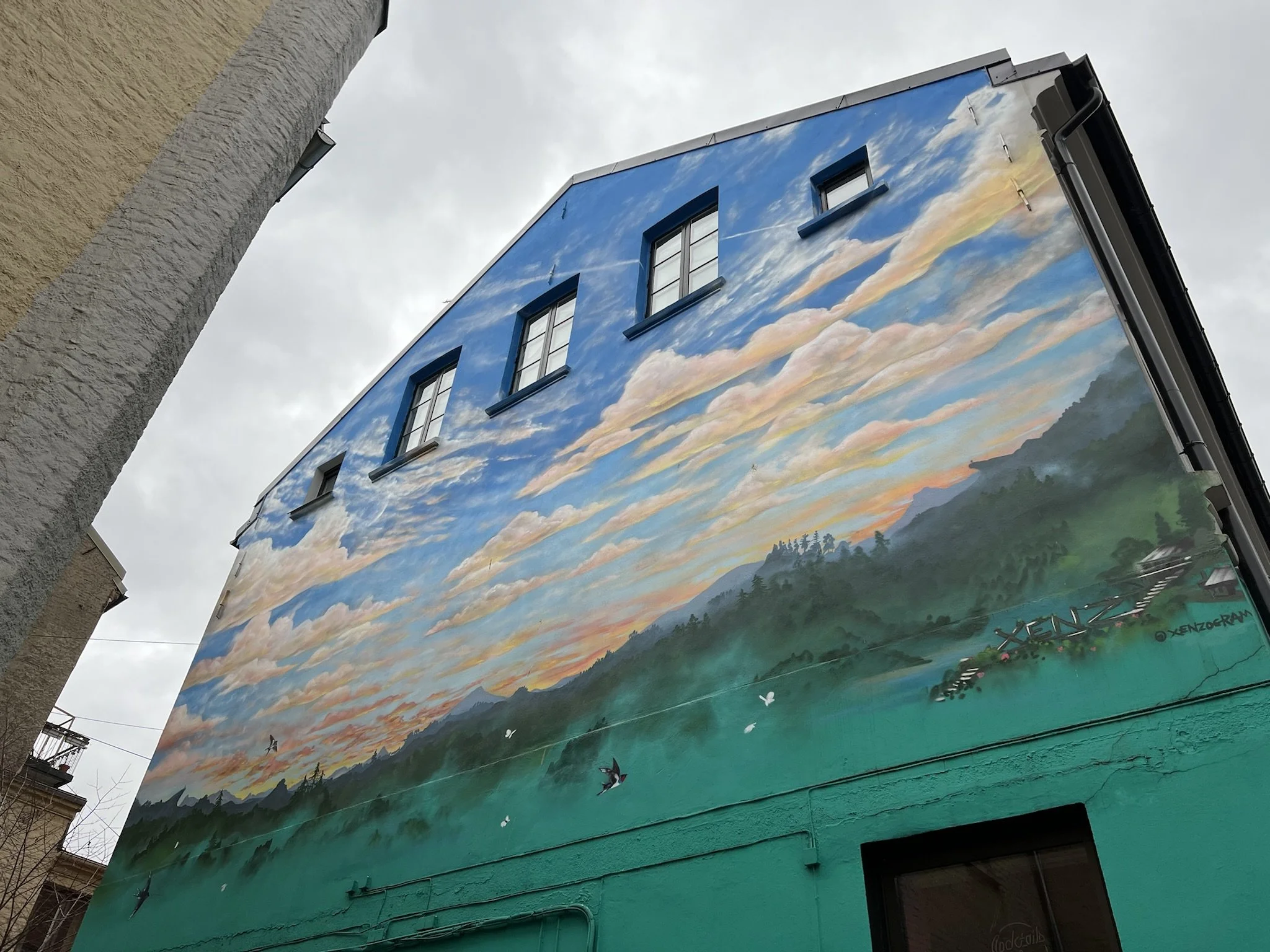
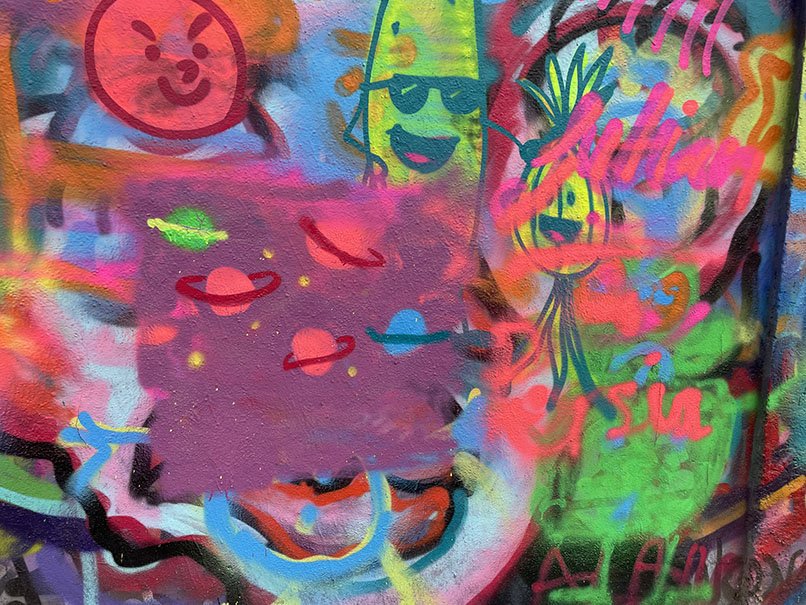
And up North into the Arctic, yes captured a few pieces. There is a certain satisfaction factor climbing a snow mound (each step causing half a leg to be swallowed - snow falling into your waterproof boots from the top) in a carpark to scan a graffiti piece.

https://streetartnews.net/2013/09/street-art-by-phlegm-in-bodo-norway.html
MEXICO Identity
Noche de Rábanos identity
Interview
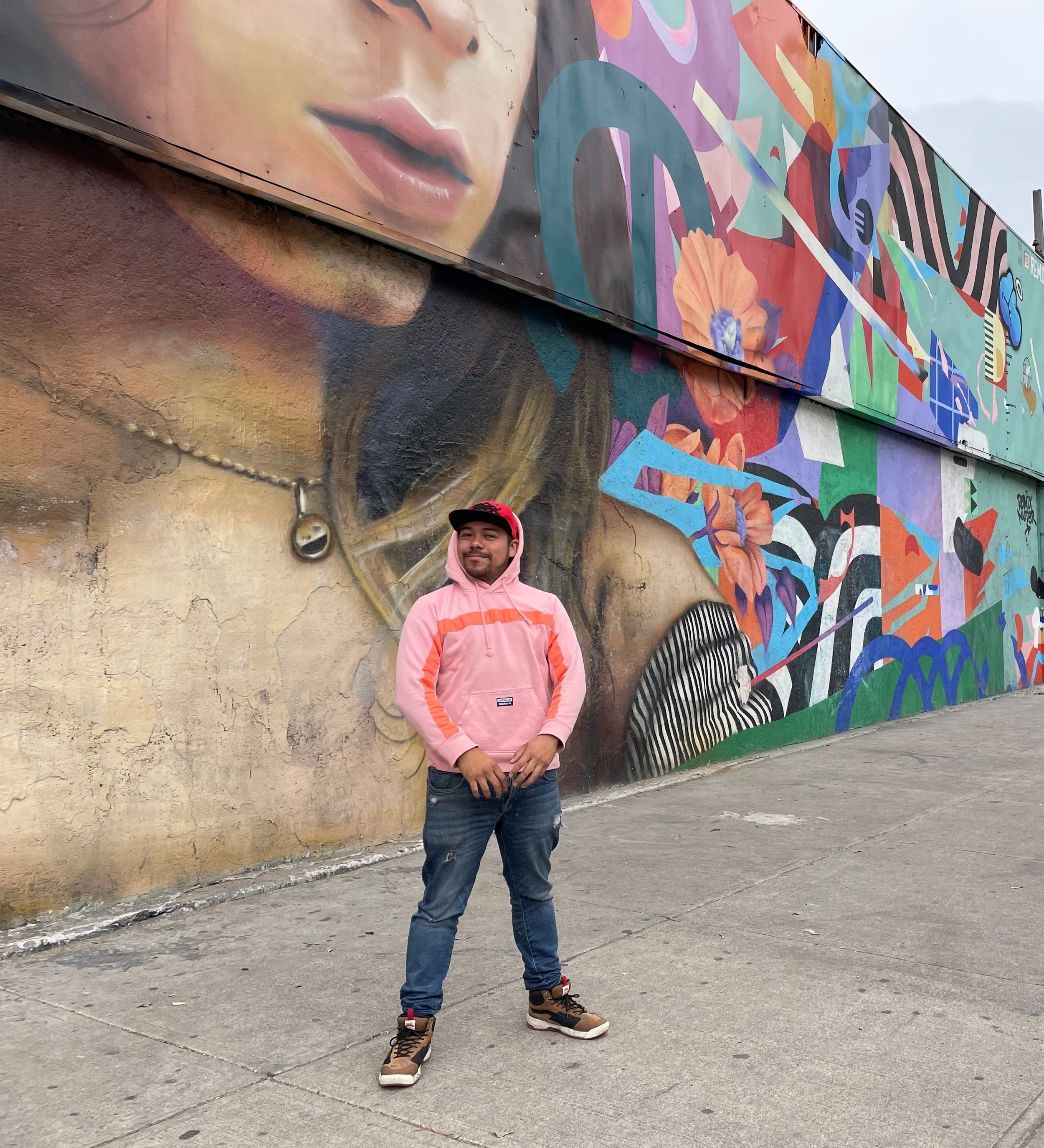
Interview with Remix (insta : @RemixUno).
Remix, born and brought up in Mexico City, is a world renowned graffiti artist. He works with brands such as Nike, commissions and even during this lockdown for Mexico City. In fact we recognised his collages of realism mixed with abstract colourful works all over the city throughout our time in Mexico City. During our street art tour with Remix (airbnb experiences) he explained the history of graffiti and the different styles; the inspirations.
We finished off the tour by having a go at being graffiti artists ourselves. I have to say he was so helpful and kind. After my daughter finished her piece, she started crying because she felt her attempts were so bad (it is not easy as it looks).
Remix recounted to her that as an artist it is normal to have self doubt and that he himself cried for 2 days because of self disappointment …. and then helped her produce a new piece of work which she felt proud of.
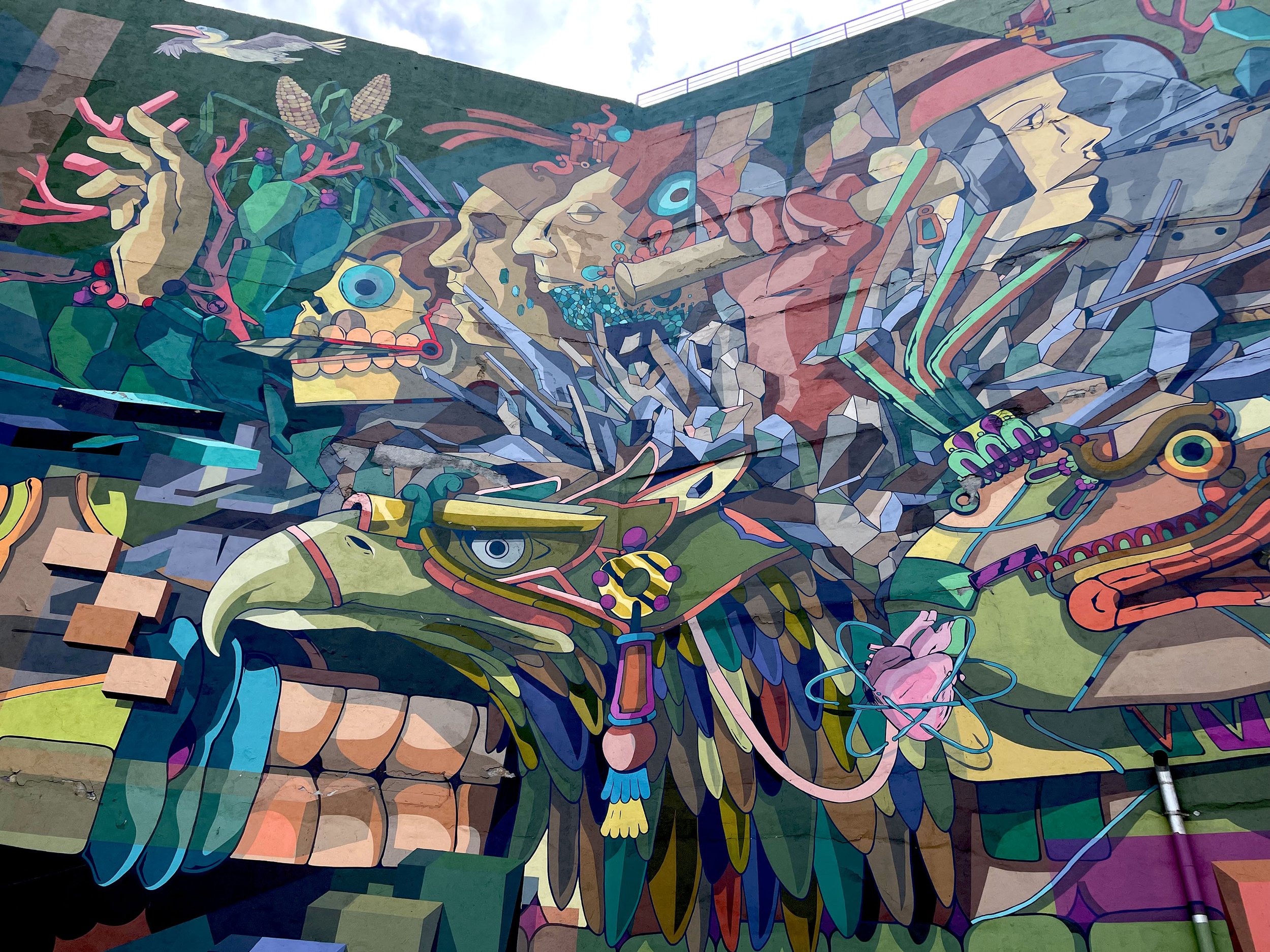
Street art, graffiti and muralism is very important to Mexican culture and heritage. With examples of Mayan murals dating back to 8th century, Mesoamerican civilisations would ‘adorn their temples and palaces with images of religious ceremonies and historical events’. We saw many at the astonishing Anthropological Museum in Mexico City (now I know why the British Museum has so little Mexican work to display – and a good thing too!).
I scanned all these while I was abroad !
Mural artists, Diego Rivera, José Clemente Orozco, and David Alfaro Siqueiros known as the big 3 have painted Mexico’s turbulent history from the Spanish Conquest (1519), the Independence from Spain (1821) and the Mexican Revolution (1910) …. large scale.

Rivera’s - "Man at the Crossroads: Mural at Rockefeller Center" commissioned by Rockefeller was particularly controversial. Destroyed on completion because of its leftist leanings. According to David Rockefeller Sr., Rivera added a panel that the family felt was an unflattering portrait of his father. "The picture of Lenin was on the right-hand side, and on the left, a picture of [my] father drinking martinis with a harlot and various other things that were unflattering to the family and clearly inappropriate to have as the center of Rockefeller Center," he said'. Rivera later repainted it in Mexico City.
Graffiti, the edgy punk hotter sister of Murals, is flourishing in the streets of Mexica City, though it wasn’t always the case. There was a time when artists would look out for police and as the coast became clear would create a flash mob to furiously fill whole walls in minutes. Every little bit of wall would be covered across the city but considered vandalism. Nowadays, graffiti and murals are ‘in’ - a way to brighten up the urban jungle with visual narratives while connecting with youth and local talented artists. And as with other forms of Mexican art, graffiti is not afraid to tackle difficult subjects.

This protest piece relates to a national scandal - the mass kidnapping, in 2014, and subsequent murders of 43 students from Iguala by drug cartels, colluding corrupt police and government officials. At first it might seem that the ferocious tiger is large and about to pounce on the rabbits, but if you look again actually the tiger is the one cowering with fear. It depicts the anti-corruption agencies which are now keeping an eye on the police and government.
México: Cultura y Sociedad que renace by Seher One at the general comptroller’s office in Mexico City

This recent mural by artist Seher One tells the story of rebirth of Mexico, - united to helped each other and rise with strength from the rubble after the September 19 2017 earthquake which injured 30000 and killed 10000 people.

MOROCCO Identity
Fantasia Identity
LiDar scans taken of shops in the La Goutte d'Or area of Paris also known as Little Africa mixed in with street art from the Belleville area. Use keys WASD or mouse to explore.
